
Best for
Drafts, attic leaks, uneven rooms, and long HVAC run times.
Watch for
Top plates, attic access, wiring gaps, plumbing gaps, and rim joists.
Goal
Less uncontrolled air movement and stronger insulation performance.
Air sealing explained
Air sealing fixes the leaks insulation cannot stop by itself.
Air sealing is the process of closing uncontrolled gaps where air moves between the living space, attic, basement, crawl space, garage, and outside. These gaps are often small, but together they can create major comfort problems.
Insulation slows heat transfer, but air leaks move heat quickly. That is why some homes still feel drafty even after more insulation is added. If the home is leaking air, the insulation has to fight a moving target.
A proper air sealing plan targets the meaningful leak paths first. The goal is not to foam random spots everywhere. The goal is to seal the areas that affect comfort, energy waste, and insulation performance.
Why Aurora homes need it
Aurora temperature swings make hidden air leaks easier to feel.
Aurora homes deal with cold winters, hot summers, and fast temperature changes. If air is leaking through the attic, rim joists, crawl space, or basement, certain rooms can feel uncomfortable no matter what the thermostat says.
Air sealing is often the missing step when homeowners complain about drafts, uneven rooms, hot upstairs spaces, cold bedrooms, or HVAC systems that run too long.
You feel drafts even when doors and windows are closed.
Some rooms never match the thermostat.
The upstairs gets too hot in summer.
Bedrooms feel cold during winter.
Dust keeps coming back quickly after cleaning.
The HVAC system runs longer than it should.
What we check first
Air sealing only works when the main leak paths are found first.
The goal is not to seal every tiny mark in the house. The goal is to find the leak points that are actually moving comfort out of the home.
Attic leak points
We check common attic leaks around top plates, wiring, plumbing, attic access, light fixtures, ducts, and framing gaps.
Draft paths
Drafts often start in hidden areas. We look for the paths that let outside air enter and conditioned air escape.
Insulation condition
Air sealing and insulation work together. If insulation is thin, old, or moved around, sealing alone may not solve the full issue.
Ventilation concerns
Air sealing should target uncontrolled leaks, not block the ventilation the attic needs to function properly.
Best sealing plan
Some homes need attic air sealing. Some need rim joist sealing, crawl space sealing, or a combined approach.
Project photos
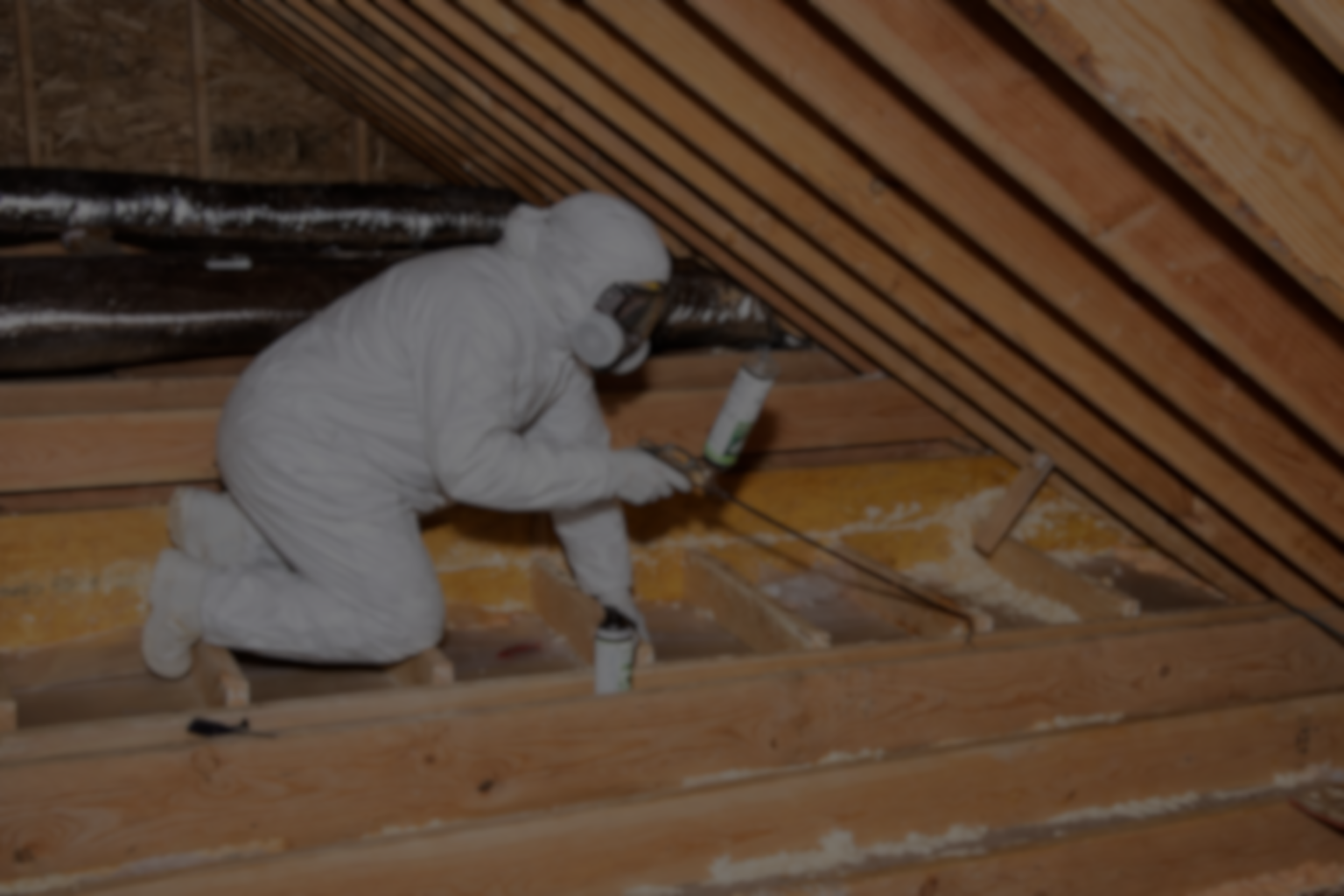
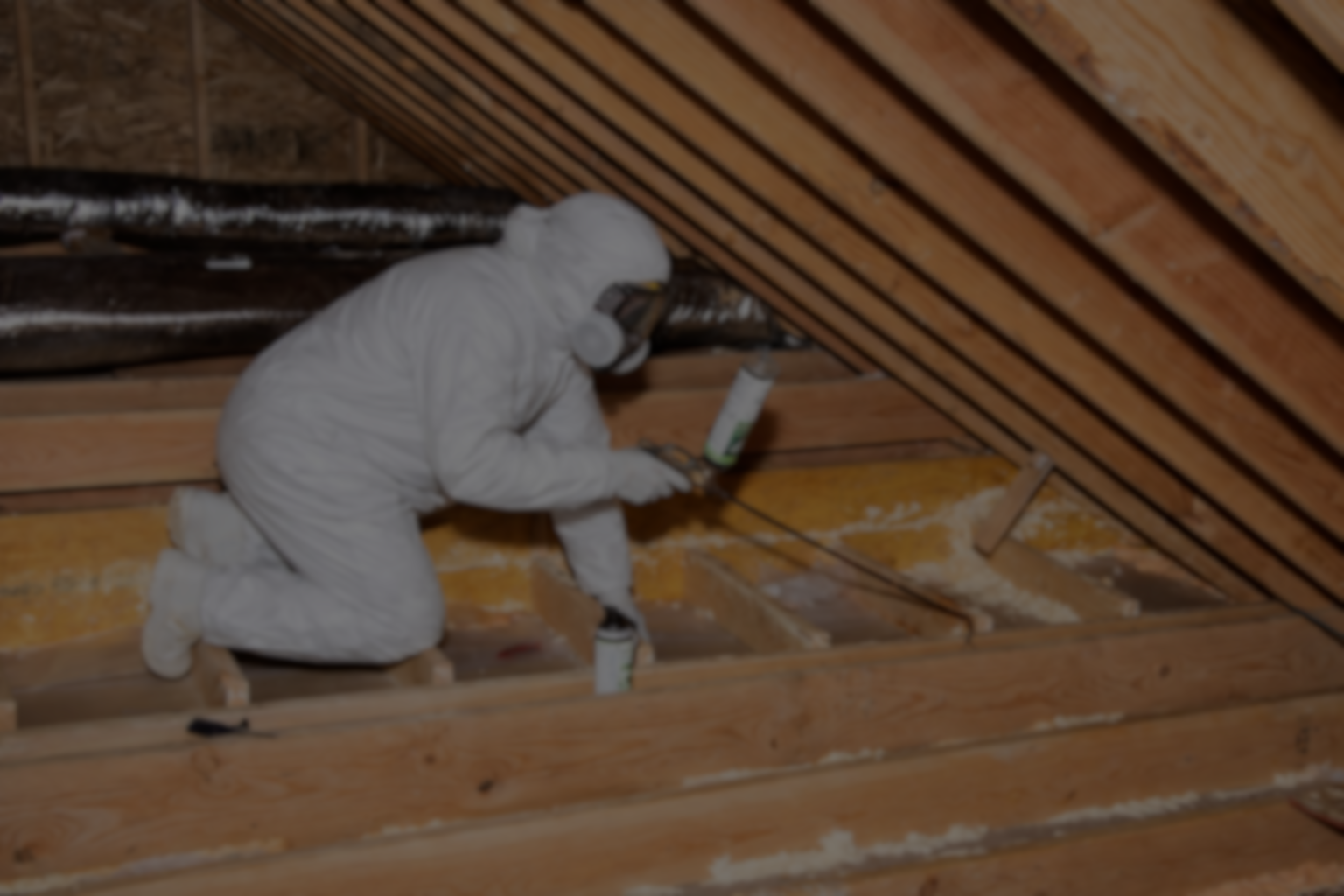
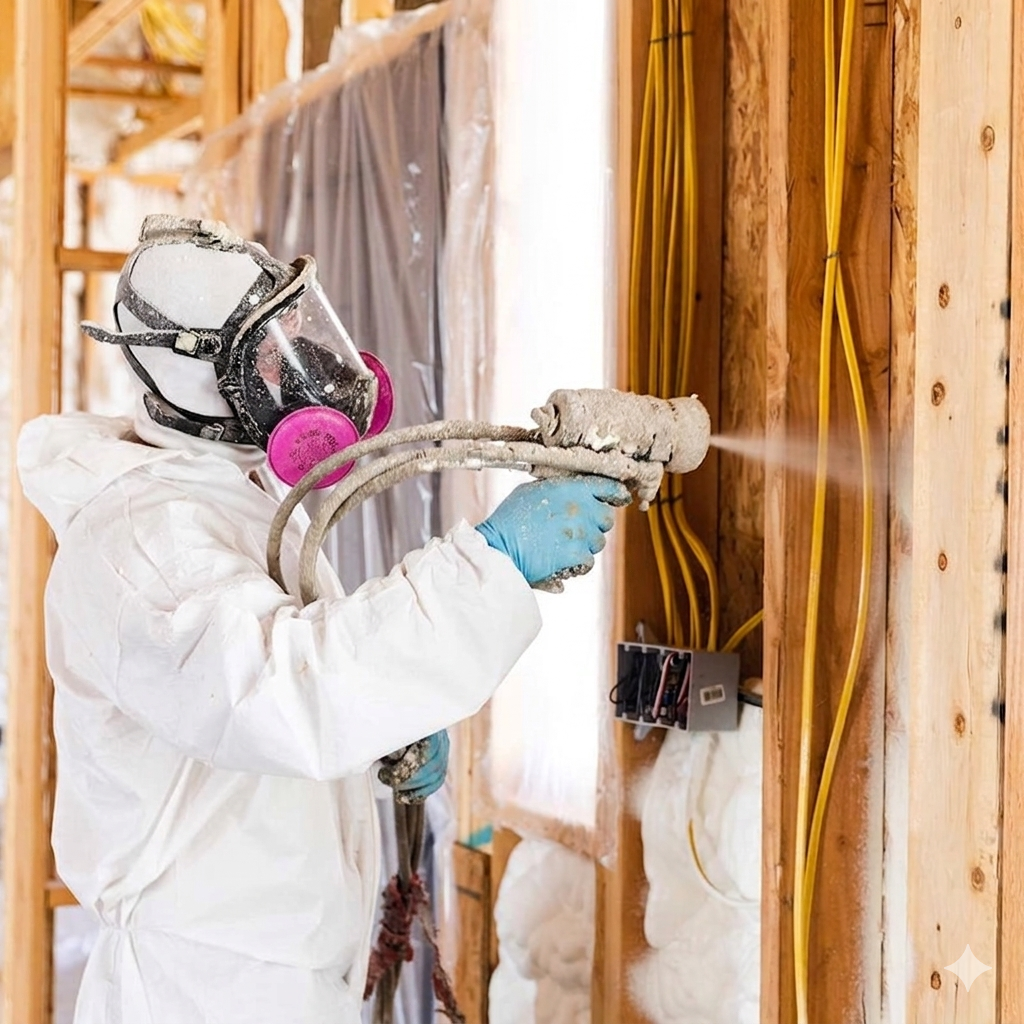
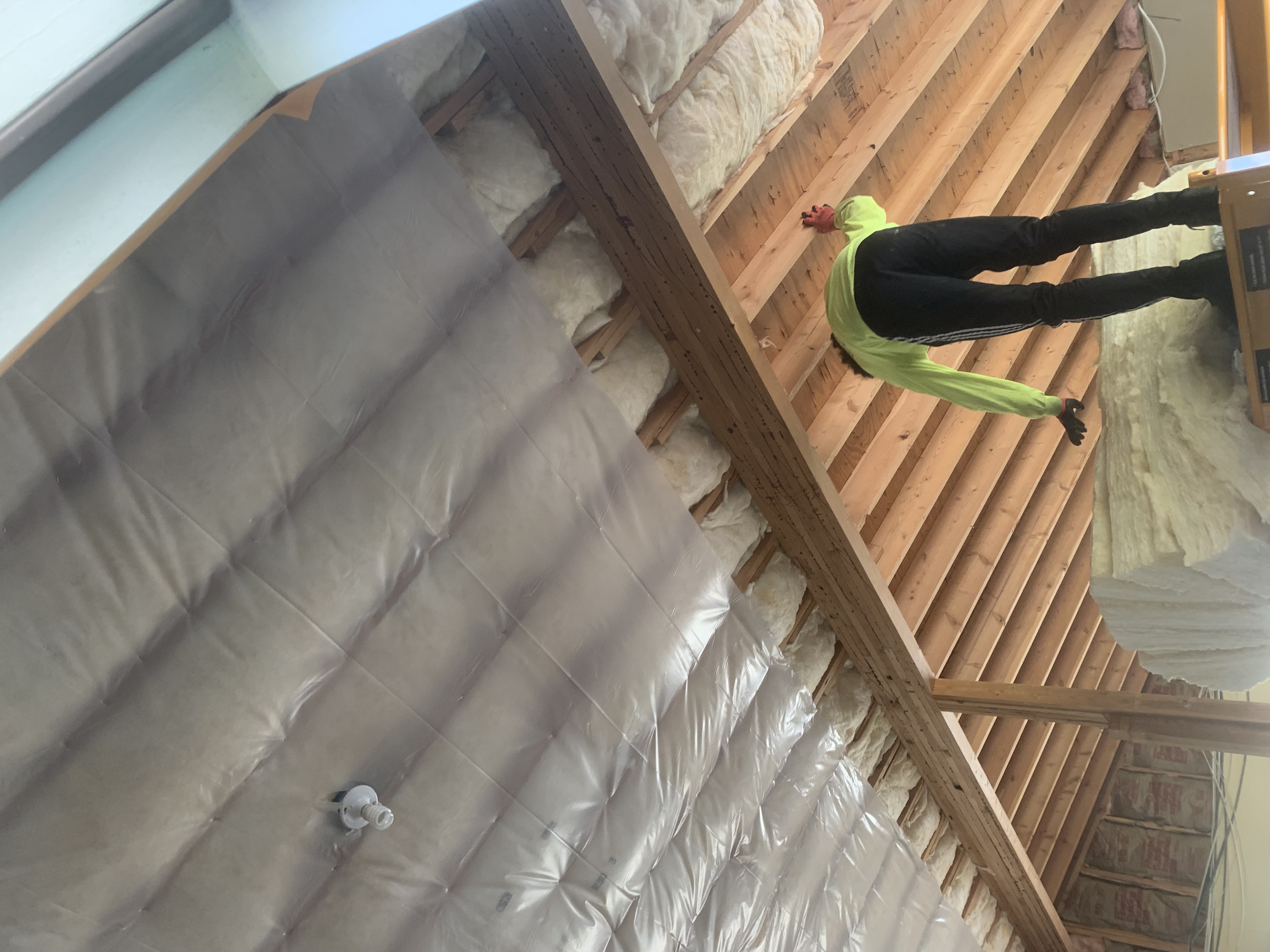
Good air sealing is targeted, clean, and planned.
The best air sealing work does not look random. It focuses on known leak paths, protects the space, and prepares the home for better insulation performance.
Where air sealing helps
The strongest air sealing projects start with the leak path, not the product.
Attic air leaks
Warm air rises and escapes through attic gaps. Sealing those leaks helps insulation and HVAC work better.
Top plates and framing gaps
Small gaps around framing can move a lot of air over time. These hidden leaks often make rooms feel unstable.
Attic access points
Attic hatches and access doors can leak air if they are not sealed properly.
Rim joists and lower leaks
Cold air can enter from below too. Rim joists and lower-level gaps can affect floors and first-floor comfort.
What it improves
The goal is a home that feels less drafty and more controlled.
Fewer drafts
Air sealing targets the leak paths that make rooms feel drafty even when the HVAC system is running.
Better insulation performance
Insulation slows heat transfer, but air leaks move heat fast. Sealing leaks helps insulation do its job.
More stable rooms
When uncontrolled air movement drops, rooms usually feel calmer and more consistent.
Insulation connection
Air sealing makes attic insulation and blow-in insulation stronger.
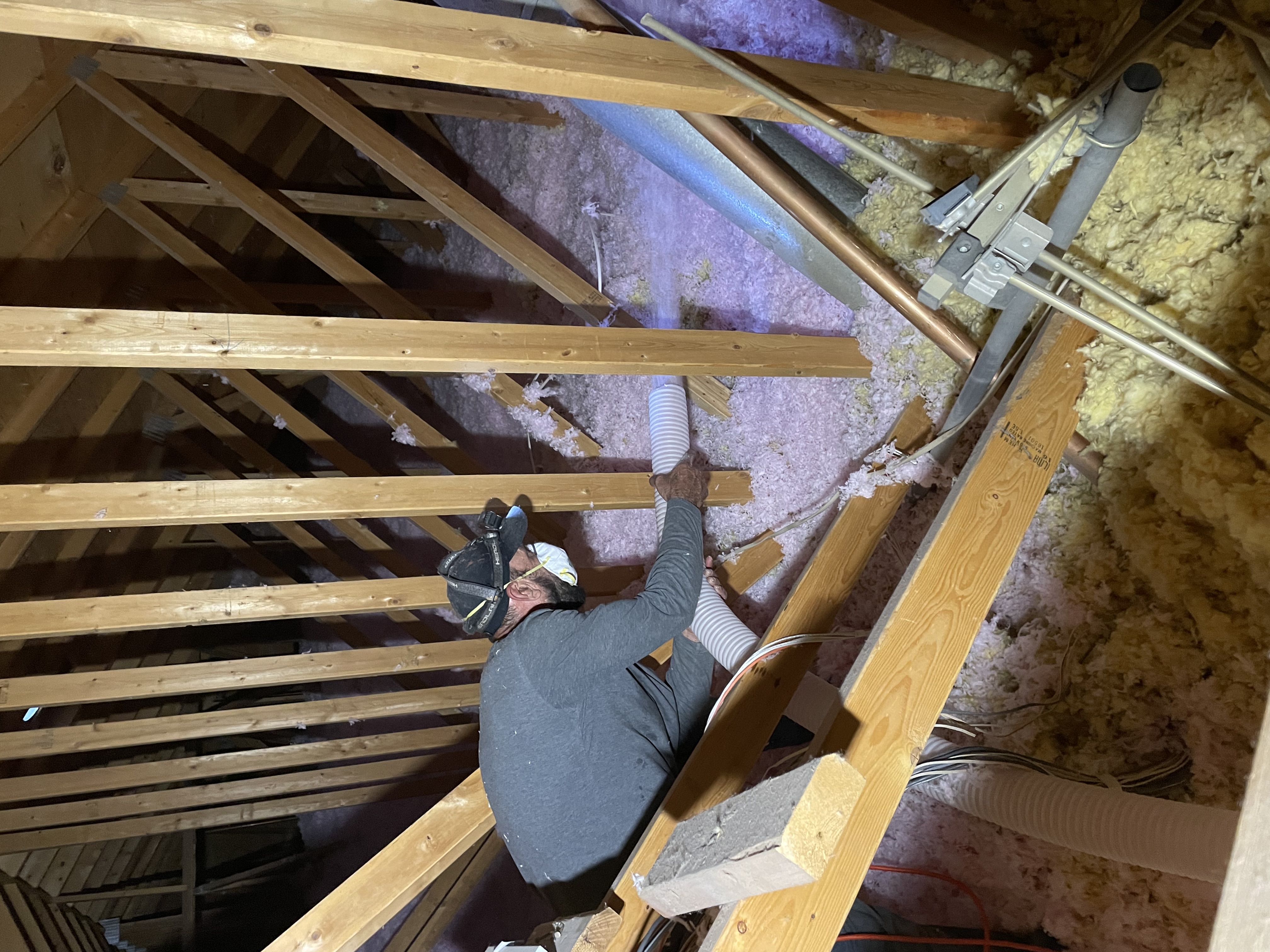
If air leaks stay open, new insulation may still struggle. Warm air can escape into the attic during winter, and hot attic air can affect the rooms below during summer.
That is why air sealing often pairs with attic insulation in Aurora and blow-in insulation. Sealing the attic first helps the insulation upgrade make more sense.
We are not trying to sell every service at once. We are trying to find the weak point. If the home needs sealing first, we say that. If it mainly needs insulation, we say that too.
Common mistakes
Air sealing fails when it is treated like random foam work.
Adding insulation before sealing obvious leaks
New insulation can help, but if major air leaks stay open, the upgrade may not perform as well as it should.
Foaming random gaps without a plan
Good air sealing is targeted. The point is to seal meaningful leak paths, not make a messy attic full of random foam.
Ignoring ventilation
Air sealing should reduce uncontrolled leakage while keeping the attic ventilation path in mind.
Cost and scope
Air sealing cost depends on access, leak locations, and whether insulation is part of the plan.
The useful answer is not a random number. The useful answer is a clear inspection that shows where the leaks are and what should be sealed first.
Leak locations
Attic leaks, rim joists, crawl spaces, and basement gaps all have different access and sealing needs.
Home size
Larger homes usually have more leak points and more attic area to inspect.
Attic access
Low clearance, tight access, ducts, wiring, and framing can affect the work.
Insulation condition
If insulation is old, thin, damaged, or moved around, it can change the recommended plan.
Combined upgrades
Air sealing may be paired with attic insulation, blow-in insulation, crawl space insulation, or basement insulation.
Real proof
Palencia customers mention air sealing, attic work, clean installation, and real comfort changes.
Reviews mention air sealing, attic insulation, old insulation removal, blow-in insulation, before-and-after photos, clean job sites, fair pricing, and clear communication. That matters because sealing work is hidden after the job.
“They sealed leaks, installed new insulation, and cleaned up so well I did not know they were there.”
That is the standard: find the leaks, seal them cleanly, and make the insulation upgrade stronger.
Related Aurora services
Air sealing often connects with the insulation work around it.
Attic Insulation
The best pairing when attic coverage is thin, uneven, or underperforming.
Learn more
Blow-In Insulation
A strong next step after attic leaks are sealed and the attic is ready for clean coverage.
Learn more
Crawl Space Insulation
Helpful when air leaks and cold floors are coming from below the home.
Learn more
Aurora service hub
Compare all insulation services available in Aurora.
FAQs
Air sealing questions from Aurora homeowners
Is air sealing worth it in Aurora?
+
Yes, especially if your home feels drafty, certain rooms never match the thermostat, or the upstairs gets too hot. Air sealing helps stop uncontrolled airflow so insulation and HVAC can perform better.
Should air sealing be done before attic insulation?
+
Often, yes. If attic leaks are open, new insulation may help but still underperform. Sealing the main leak points first can make the insulation upgrade stronger.
Where do air leaks usually happen?
+
Common leak points include attic access, top plates, wiring penetrations, plumbing gaps, recessed lights, ducts, rim joists, and framing gaps.
Will air sealing make my house too tight?
+
Most older homes have uncontrolled leakage, not too much sealing. The goal is to seal problem leaks while keeping ventilation needs in mind.
How much does air sealing cost in Aurora?
+
Cost depends on leak locations, attic access, home size, insulation condition, and whether other upgrades are being done at the same time. A quick inspection gives the clearest quote.
Need air sealing in Aurora?
Get a free estimate from Palencia Insulation and find out where your home is leaking comfort.