
Wall Insulation Lakewood, CO
Fix cold spots, cut drafts, and get steadier room temperatures with properly insulated walls.
Fix cold rooms and uneven temperatures
Retrofit options with minimal disruption
Clean installs, clear communication
Free estimates. Residential and Commercial.
0+
Projects completed
0%
Customer satisfaction
0+
Years serving Lakewood
WHAT IT IS
Wall insulation fills the cavity so rooms stay consistent
Walls are the biggest surface area in your home. If they’re under-insulated, you feel it as cold spots, hot rooms, and drafty corners that never match the thermostat.
The right wall insulation reduces heat moving through the wall, and it helps calm down the “always uncomfortable” rooms that cost more to heat and cool.
What you can expect with Palencia
We identify what’s causing the cold spots (not guesses).
We choose the right method based on your wall type and access.
We protect your space, then patch cleanly if it’s a retrofit.
We focus on coverage where comfort problems actually start.
WHEN YOU NEED IT
Signs your walls are under-insulated
If you’re nodding your head at a couple of these, wall insulation is usually the missing piece.
One or two rooms never match the thermostat
Cold walls or drafts near outlets and baseboards
High heating bills in winter, hot rooms in summer
Older Lakewood home that likely has little or no wall insulation
Outside noise (traffic, neighbors) feels “too close”
Remodeling and the walls are open anyway
Condensation signs around windows or on exterior walls
You already did the attic, but comfort still isn’t fixed
HOW IT WORKS
What we do, and why it works
Not complicated. Just the right method, solid coverage, and clean execution.
It slows heat transfer and blocks drafts
Insulation reduces heat moving through the wall. When paired with basic air sealing, it also cuts the little leaks that cause cold spots and uneven rooms.
We match the method to the wall
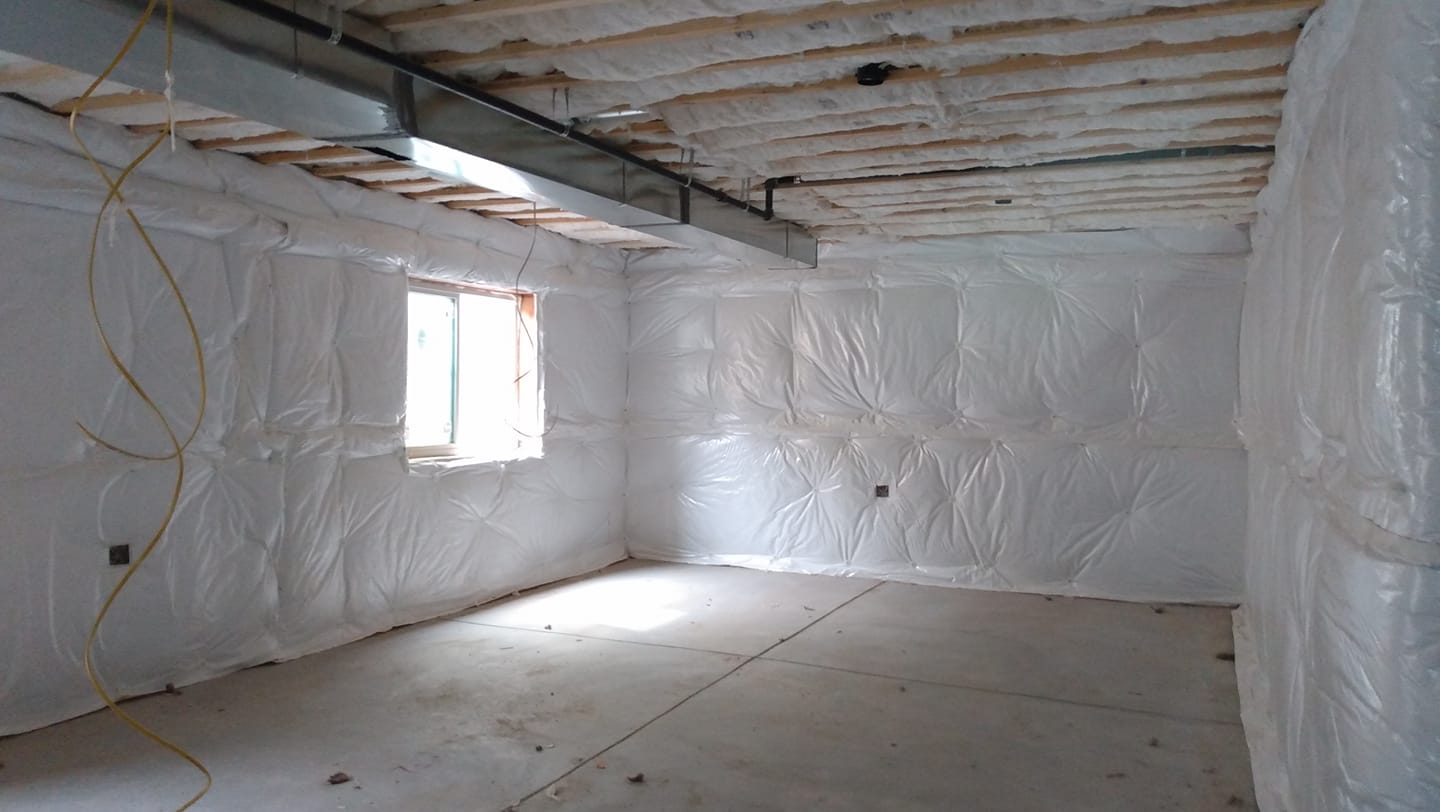
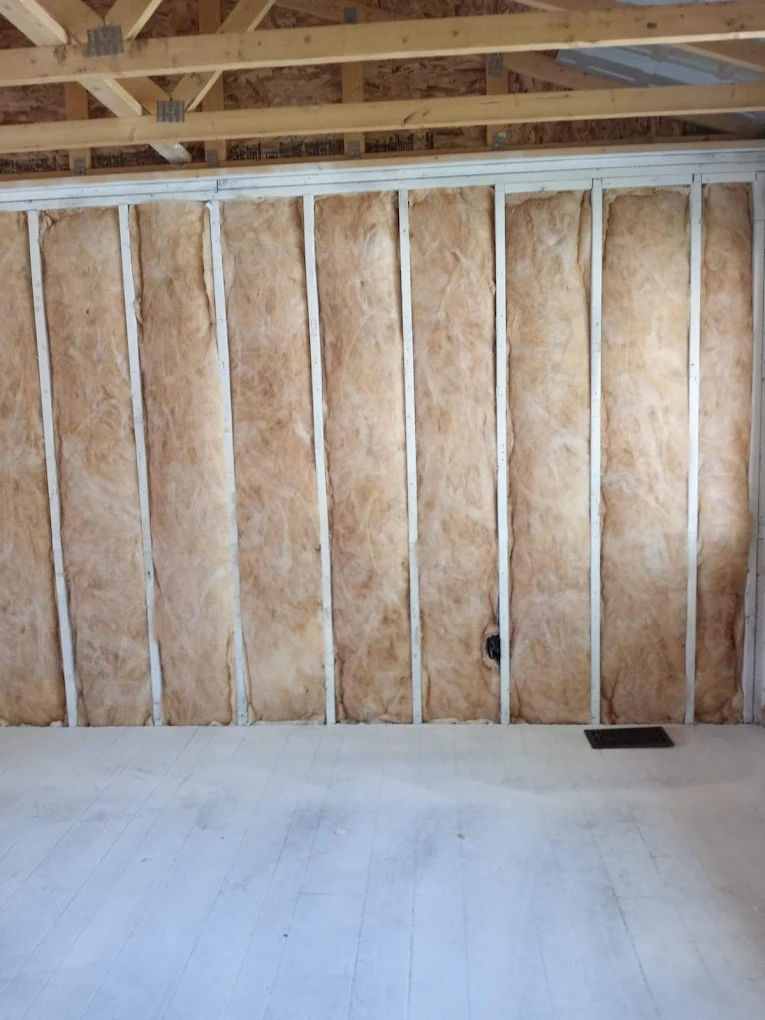
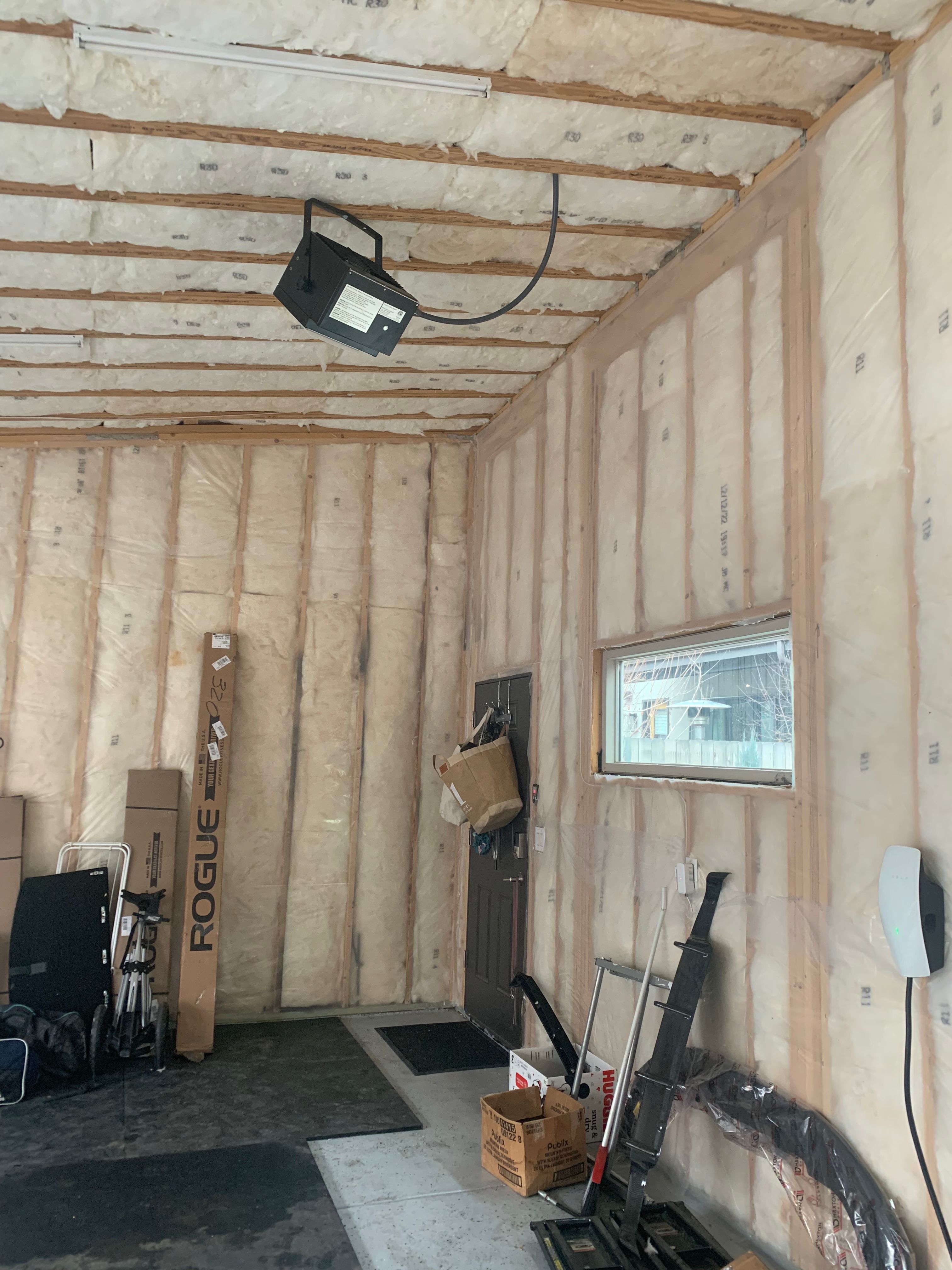
Open walls (new build or remodel) typically use batts. Existing finished walls often use blown-in insulation through small access holes, then we patch cleanly.
Done correctly, it helps avoid moisture issues
The goal is consistent coverage, no voids, and the right approach for the cavity so you’re not creating condensation problems inside the wall.
BENEFITS
What you get from insulating your walls
Comfort first, savings second, and a quieter home as a bonus.
Lower energy costs
Walls are a big source of heat loss. Insulating them cuts waste.
Fewer drafts
Helps eliminate “leaky wall” rooms and cold spots.
Moisture protection
Reduces condensation risk when the approach is correct.
Quieter home
Dampens outside noise and sound transfer between rooms.
Why Lakewood walls are often completely empty
Wall insulation wasn't standard practice in Denver-metro construction until the 1970s energy codes caught up. A large share of Lakewood's ranch and split-level homes still have bare wall cavities behind the drywall.
On these homes, blow-in insulation through small drilled access holes is usually the only practical option since opening every wall isn't realistic on an occupied home. We check for any fire-blocking or balloon-framed sections common in this era first, since those cavities behave differently than standard stud bays when filling them.
PROCESS
Straightforward from start to finish
We keep it clean, on schedule, and easy to understand.
Free inspection
We identify problem rooms, wall type, and best access method.
Clear recommendation
You get a simple plan and quote based on your home and Lakewood conditions.
Clean installation
We install, patch carefully (if retrofit), and keep the worksite tidy.
Final walkthrough
We confirm what was done and answer questions before we leave.
LAKEWOOD WALL INSULATION GUIDE
Wall Insulation in Lakewood, CO: How to Fix Cold Rooms, Drafts, and Uneven Temperatures
Wall insulation is one of the best upgrades for Lakewood homeowners dealing with cold bedrooms, drafty exterior walls, rooms that never match the thermostat, or heating and cooling bills that feel too high for how uncomfortable the house still is. A lot of people think the problem is always the HVAC system, but many times the real issue is that the walls are not doing their job.
In Lakewood, temperature swings expose weak spots fast. One room can feel fine, while the next room feels cold, windy, and impossible to stabilize. That usually means the thermal envelope is weak in one or two specific places. If the attic has already been improved and comfort still is not where it should be, wall insulation is often the next thing to check.
Start here
Wall insulation usually makes the most sense when the comfort issue is specific to certain rooms, certain exterior walls, or one side of the house. If the whole house feels off, the attic or air sealing may be the bigger first move. If one bedroom, office, living room wall, or basement wall always feels wrong, wall insulation becomes a much stronger candidate.
One room stays cold
Wall insulation is often the right next step, especially if the room has exterior walls.
Drafts near outlets or baseboards
That points to weak wall performance and usually some air movement through the cavity.
You already improved the attic
If comfort still is not fixed, the walls may be the missing piece.
Outside noise feels too strong
Wall insulation can also help reduce sound transfer and make the room feel calmer.
Why wall insulation matters so much in Lakewood
Lakewood homes see hot summers, cold winters, and days where the indoor comfort changes more than it should from morning to night. Exterior walls are a huge part of that. They make up a lot of the surface area of the home, so if the wall cavities are under-insulated, empty, compressed, or inconsistent, you feel it every day. Heat moves through those walls in winter, and unwanted heat pushes in during warmer months.
A lot of older homes in the Lakewood area were built before insulation standards improved. Some have very little in the walls. Some have insulation that settled, shifted, or was installed badly. Some additions and remodels were never tied together properly. That leaves homeowners with rooms that feel off no matter how much they run the furnace or AC.
What wall insulation actually fixes
Wall insulation helps when the problem is tied to heat transfer through exterior walls and weak cavity coverage. It does not magically fix every comfort problem in the house, but it can make a major difference when specific rooms or wall sections are the issue.
Cold rooms that stay colder than the rest of the house
Hot rooms that overheat faster than everything else
Drafty exterior walls that feel uncomfortable when you stand near them
Unstable room temperatures that swing too fast
Higher heating and cooling usage because the room keeps losing conditioned air
Outside noise that feels stronger than it should
If your issue is moisture, active leaks, structural damage, or a major air sealing problem, those need to be addressed correctly too. Good wall insulation is about using the right method for the wall, not just stuffing material in and hoping for the best.
Quick reality check
If only one bedroom or office always feels wrong, that is usually a much stronger wall insulation signal than a whole-house complaint.
Related Lakewood pages
Open wall vs finished wall, and why that changes the method
The right wall insulation method depends on access. If the wall is open during a remodel, addition, basement finish, or new build, batt insulation is usually the simplest and cleanest option because the cavity is visible and the material can be fitted correctly. If the wall is already finished, blown-in insulation is often the better route because it can be installed through small access holes with much less disruption.
| Situation | Usually the better fit |
|---|---|
| Walls are open during remodel or construction | Batt insulation |
| Finished walls with comfort problems | Blown-in wall insulation |
| Need cleaner retrofit with less disruption | Blown-in wall insulation |
| Simple cavity install where framing is visible | Batt insulation |
That is why guessing hurts homeowners. The right answer is not “one insulation is always better.” The right answer is matching the material and method to the wall you actually have.
Symptoms that usually point to wall insulation in Lakewood
Bedroom stays cold
Exterior walls may be under-insulated or unevenly filled.
Room feels drafty on one side
The wall cavity and nearby air leaks need to be checked together.
Outside noise feels loud
Wall insulation can help dampen that noise and calm the room down.
Bills still feel high after attic work
The comfort problem may now be concentrated in the walls.
Basement rooms feel off
Finished basement walls often need a better insulation approach.
One office or nursery is always uncomfortable
Targeted wall insulation is often more effective than changing the thermostat.
What homeowners usually get wrong
The biggest mistake is assuming every comfort issue is an HVAC issue. The second biggest mistake is assuming more insulation automatically fixes everything. Coverage quality, wall access, cavity depth, and air movement matter. If the method is wrong, or the wall has voids, or moisture was ignored, the result will disappoint you even if “insulation was added.”
Adding material without checking whether the wall is the real problem
Using the wrong method for a finished wall
Ignoring air leakage near the same problem area
Assuming a thin patch or partial fill is “good enough”
Expecting wall insulation alone to solve an attic-driven comfort issue
Simple rule
If the problem is room-specific, wall-specific, and repeatable, wall insulation moves way up the list. If the whole house feels wrong, start bigger.
Wall insulation cost in Lakewood, CO
Cost depends on wall access, wall size, cavity depth, install method, and how many problem areas need to be addressed. Open-wall installs are usually more straightforward. Finished-wall retrofits can take more care because access, patching, and clean work matter.
That is why an on-site inspection matters. The goal is not to throw out a random number. The goal is to see what kind of wall you have, where the actual comfort issue is, and what method will produce the best result without unnecessary work.
What affects price most
Finished wall vs open wall
How many rooms or wall sections need work
Access difficulty
Patch and finish requirements
Wall cavity depth
Whether air movement needs to be addressed too
Internal links that strengthen this Lakewood page
Wall insulation usually performs best when looked at as part of the bigger comfort system. If the room still leaks air or the attic above it is weak, comfort stays inconsistent. That is why this page should connect naturally to the other Lakewood pages that support it.
Ready to fix the room that never feels right?
If one room in your Lakewood home always feels colder, draftier, louder, or harder to control, wall insulation may be the move that finally stabilizes it. We’ll inspect the problem, tell you whether the walls are actually the issue, and give you a clear recommendation.
FAQ
Common questions
Clear answers, no guessing.
Ready to fix the drafty rooms?
Get a free wall insulation estimate from a local Lakewood team.