
Basement Insulation Littleton CO
Fix the cold basement problem at the source, reduce drafts, and make the whole home feel more stable.
Warmer basement, less cold air upstairs
Draft control with a moisture-aware setup
Clean install with clear communication
Free estimates. Residential and Commercial.
0+
Projects completed
0%
Customer satisfaction
0+
Years serving Littleton
BASEMENT INSULATION EXPLAINED
Why basements feel cold, and what actually fixes it
In many Littleton homes, the basement becomes a cold sink. That cold does not stay downstairs, it creeps into the first floor through rim joists, floor framing, and hidden air leaks.
Foundation walls and rim joists are two of the biggest trouble spots. If they are under-insulated (or not insulated at all), the basement stays cold and the floors above feel icy in winter. You might also notice drafts along the basement ceiling edge or rooms that never match the thermostat.
Basements are different from attics because moisture matters more. The wrong setup can create condensation issues. That is why we use a moisture-aware approach and focus on the areas that actually move comfort, not a one-size-fits-all method.
Our goal is simple: make the basement feel like part of the home, reduce drafts, and stabilize temperatures upstairs. You get clear recommendations, clean work, and a walkthrough so you know exactly what improved.
If you are also dealing with attic comfort issues, it often helps to compare with Attic Insulation and Air Sealing.
THE PROBLEM
A cold basement usually means your home is leaking comfort
Basements lose heat through foundation walls and rim joists. Drafts make it worse. That cold air does not stay downstairs, it pushes into the rest of the home and you feel it in floors and first-floor rooms.
We focus on the areas that matter most so you feel a real difference, without turning the project into a “tear everything out” situation.
Moisture-aware plan
We avoid setups that create condensation problems.
Clean workmanship
Protected space, tidy jobsite, clear walkthrough.
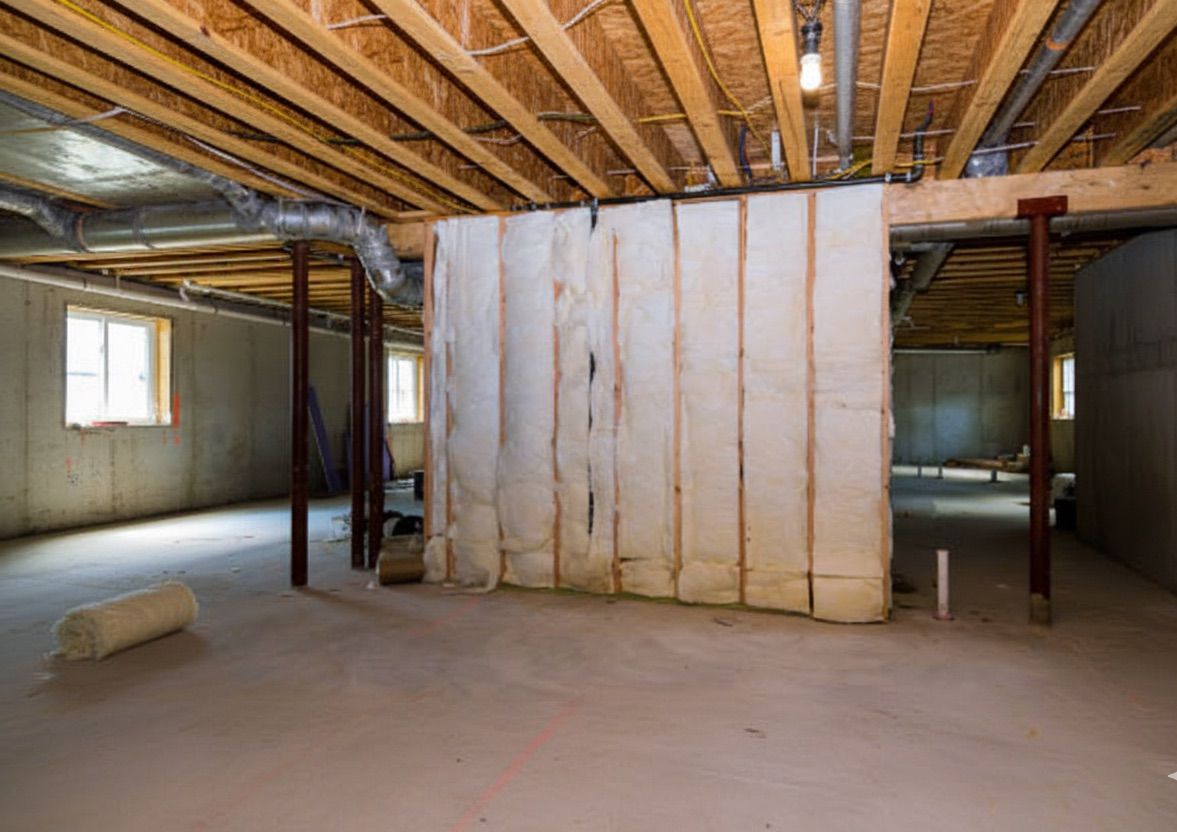
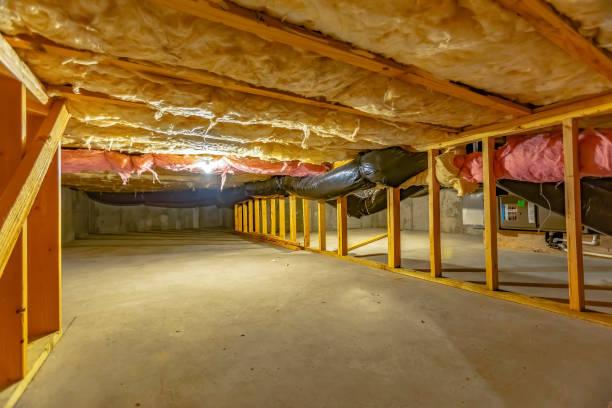
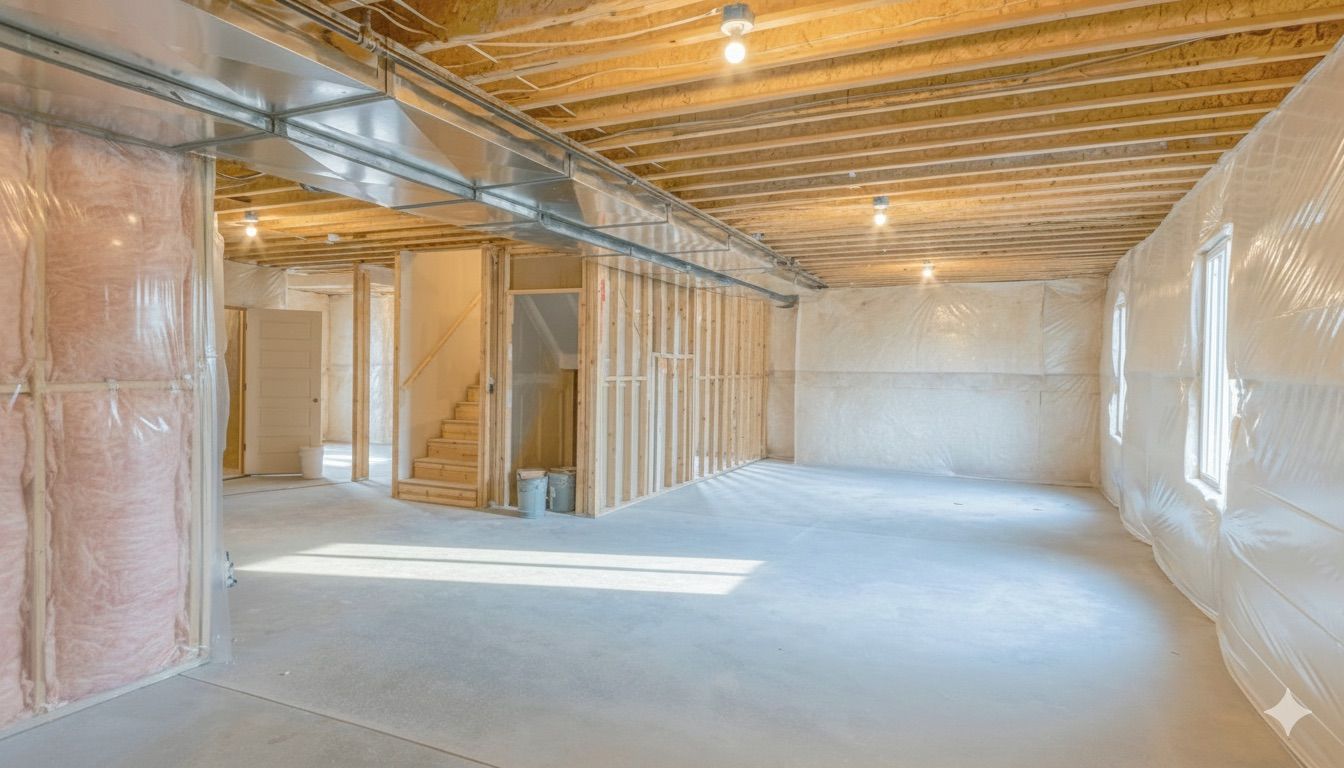
WHAT WE INSULATE
The 3 areas that matter most
Simple, focused, and built for real basements in Littleton.
Rim joists (draft source)
Often the biggest leak point. Fixing this helps the whole first floor feel steadier.
Basement walls
Helps reduce heat loss through foundation walls and makes the basement feel livable.
Moisture and condensation risk
Basements need smarter choices. We avoid “trap moisture and hope” setups.
WHEN YOU NEED IT
Quick signs your basement is the problem
If you have a few of these, basement insulation usually makes a noticeable comfort difference.
Basement stays cold even with heat running
Floors above feel cold in winter
Drafts along the basement ceiling edge
Musty smell or constant humidity
Condensation on ducts, pipes, or walls
Finished basement still feels uncomfortable
Heating bills spike every winter
Older home with little or no basement insulation
RESULTS
What you notice after it’s done
Comfort first. Energy waste drops with it.
More stable temperatures
Less “cold sink” downstairs, better comfort upstairs.
Less energy waste
Reduce heat loss through rim joists and foundation walls.
Better moisture control
Lower condensation risk with the right approach for basements.
More usable space
Basement feels like part of the home, not just storage.
Walkout vs. standard basements changes the plan
Littleton's sloped lots near the foothills produce a lot of walkout and daylight basements, alongside standard fully below-grade basements downtown and on flatter southwest lots.
A walkout basement has one or more above-grade walls exposed directly to outside temperature and weather, which insulate differently than a wall that's fully surrounded by earth. Grading and drainage around a sloped lot also affect how much moisture pushes against the foundation, so we check which type of basement you have and how the lot is graded before recommending a vapor barrier approach, rather than applying the same spec to every basement in town.
PROCESS
Simple, organized, clean
No chaos in your home. Just a clear plan and clean execution.
1) Free inspection
We check rim joists, walls, drafts, and any moisture concerns, then confirm access.
2) Clear plan + quote
Simple recommendation (what, where, why) with a straightforward scope.
3) Clean install
We protect the area, work efficiently, and keep the jobsite tidy.
4) Final walkthrough
We confirm coverage and answer questions before we leave.
Service Areas
Basement insulation across Littleton
Littleton and surrounding metro communities.
Coverage area
Littleton Metro
Do not see your city? Call (720) 410-0487 and we will confirm service availability.
LAKEWOOD BASEMENT INSULATION GUIDE
Basement Insulation in Littleton, CO: How to Fix Cold Basements, Cold Floors, and Heat Loss
Basement insulation in Littleton is one of the most overlooked comfort upgrades in the house. A lot of homeowners focus on the furnace, thermostat, or upstairs insulation first, but the basement is often where the cold starts. If the basement stays cold all winter, the floors above it feel colder, the first floor gets draftier, and the whole house becomes harder and more expensive to heat.
That is because basements are connected to the rest of the home more than people think. Cold air, uninsulated rim joists, weak foundation-wall insulation, and air leakage around the basement perimeter create a “cold sink” effect. The basement keeps pulling warmth out of the living space above it. In a lot of Littleton homes, fixing the basement helps the basement itself feel better and also improves how the main floor feels day to day.
Start here
Basement insulation usually moves to the top of the list when the problem is cold floors, a cold finished basement, a musty lower level, or a basement that never feels stable even when the heat is running. If the basement is uncomfortable and the first floor above it also feels colder than it should, this is one of the strongest places to inspect.
Cold basement year after year
That usually means basement walls, rim joists, or both are under-insulated.
Cold floors above the basement
The comfort problem often starts below, not upstairs.
Drafts along the basement edge
Rim joists are commonly the leak point and can affect the whole first floor.
Finished basement still feels uncomfortable
It may look done, but the insulation setup may still be weak or incomplete.
Why basement insulation matters so much in Littleton
Littleton homes go through real temperature swings. In winter, that lower part of the house can stay much colder than the rest if the basement insulation is weak. Concrete foundation walls naturally hold and transfer cold. Rim joists are notorious for letting cold air in. If those areas are not insulated correctly, the basement becomes a constant source of heat loss.
Homeowners often describe it like this: the basement feels raw, the first floor feels cold from the feet up, and the HVAC runs more than it should. That is not random. The lower part of the home is affecting everything above it. Basement insulation helps slow that heat loss down and stabilize how the whole house feels.
The big mistake is treating basements exactly like attics. Moisture matters more downstairs. The right setup needs to improve comfort without creating condensation or trapping moisture in the wrong places. That is why a moisture-aware approach matters so much in basement projects.
What basement insulation actually fixes
Basement insulation is not just about making a lower level less miserable. It helps correct heat loss and comfort imbalance coming from below the main living space.
Cold basement rooms that never warm up properly
Cold floors on the first floor above the basement
Drafts around the perimeter where the basement meets the floor framing
Finished basements that still feel uncomfortable in winter
Basements that create a chill through the whole home
Excess heating use because the house keeps losing warmth through the lower structure
If there is active water intrusion, bulk moisture, or drainage issues, those need to be called out too. Insulation helps a lot, but it should never be used as a bandage over a bigger moisture problem.
Quick reality check
If the basement feels cold and the floor above it feels cold too, that is one of the strongest basement insulation signals you can get.
Related Littleton pages
The most important basement areas to insulate
Basement insulation is not just “put insulation somewhere downstairs.” The areas that move comfort most are usually very specific.
Rim joists
This is one of the biggest draft and heat-loss zones in the basement. When this area leaks, the first floor feels it fast.
Foundation walls
Cold concrete transfers heat out of the home. Insulating the right wall areas helps the whole lower level feel more stable.
Key transition points
The connection between basement, framing, and floor system often creates hidden comfort loss if it is ignored.
Some homes need all three addressed. Some only need one major problem area handled correctly. That is why the inspection matters. The best result comes from fixing the actual weak points instead of assuming the whole basement needs the same treatment everywhere.
Symptoms that usually point to basement insulation in Littleton
Basement always feels cold
Foundation walls and rim joists are usually high on the suspect list.
First-floor floors feel icy
The basement below is often pulling heat out of the floor system.
Drafts at the basement edge
Air movement and weak insulation usually meet at the rim area.
Finished basement still uncomfortable
Looks finished does not always mean it was insulated correctly.
Musty or damp lower level
The insulation approach must consider moisture, not just R-value.
Heating bills spike in winter
A weak basement envelope can be a major source of heat loss.
What homeowners usually get wrong with basements
The biggest mistake is assuming the basement is supposed to be cold. It is not supposed to drag the whole house down with it. The second mistake is treating moisture like an afterthought. If the install ignores basement conditions, the setup can underperform or create future problems.
Assuming a cold basement is normal and not worth fixing
Ignoring rim joists even when the first floor feels cold
Choosing an insulation approach without thinking about moisture
Focusing only on the basement room and not how it affects the floor above
Expecting one generic material to work everywhere downstairs
Simple rule
If the basement is cold and the room above it feels cold too, there is a good chance the lower envelope is where your comfort loss starts.
Basement insulation cost in Littleton, CO
Basement insulation cost depends on the size of the basement, which areas need attention, how accessible the work is, and whether the main issue is walls, rim joists, drafts, or a combination. A finished basement can also change the scope because access and clean work matter more.
That is why the useful answer is not a random number. The useful answer is an inspection that shows what is actually wrong, what should be insulated first, and which approach gives the best comfort improvement without unnecessary work.
What affects price most
Basement size and layout
Rim joists only vs broader basement scope
Finished vs unfinished areas
How accessible the problem areas are
Whether air leakage also needs to be addressed
How much of the basement is truly affecting comfort
Internal links that strengthen this Littleton page
Basement insulation works best as part of a tight Littleton cluster. A lot of basement comfort issues overlap with air leakage, crawl space conditions, and house-wide heat loss patterns. This page should link naturally to the other pages that support it.
Ready to stop losing comfort through the basement?
If your basement is cold, drafty, or making the rest of the home feel colder than it should, basement insulation may be the move that changes the whole lower half of the house. We’ll inspect the problem, show you where the comfort loss is happening, and give you a clear plan.
FAQ
Common questions
Clear answers, no guessing.
Ready to make your basement comfortable?
Get a free basement insulation estimate from a local Littleton team.