
Attic Insulation
Denver, CO
If the second floor is uncomfortable, start with the attic. We inspect what you have, explain what is actually causing the problem, and install insulation the right way so the fix lasts.
More even temps between floors
Fewer drafts upstairs
Clear scope, clean install, no guessing
Free estimates. Residential and Commercial.
What attic insulation fixes
Comfort issues often come from the attic
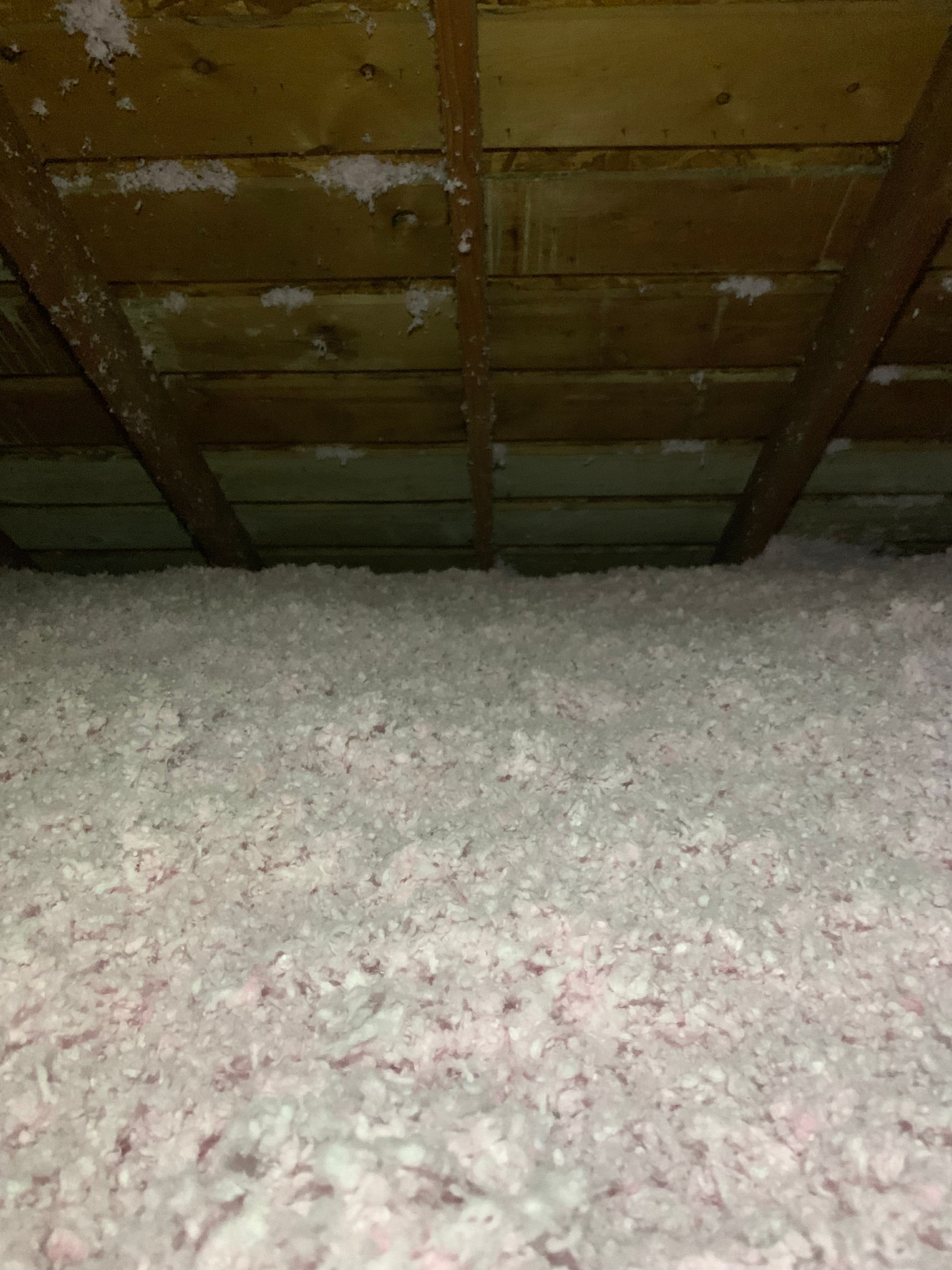
When attic insulation is thin, patchy, or full of gaps, your home struggles to hold temperature. You feel it as a hot upstairs in summer, cold rooms in winter, and longer HVAC run times.
Denver’s climate makes small attic problems feel bigger. If air is leaking into the attic or insulation is uneven, you feel it faster and more often.
We focus on what is measurable and fixable: coverage, depth, and common leak points. If something else is working against you, like ventilation or moisture, we call it out so you are not paying for a band-aid.
What is included in an attic estimate
Coverage and depth: what is there, where it is thin, and what needs to be improved.
Air leak check: attic access, ceiling penetrations, and the spots that commonly cause drafts.
Ventilation + moisture notes: we flag obvious issues that can cause problems later.
Recommended target: a clear goal for Denver conditions, plus what should be addressed first.
Job-day plan: what we will do, how long it takes, and how we keep the work clean.
One thing that gets missed a lot
If air is leaking into the attic, insulation alone can underperform. That is why we check the common leak points and tell you what is worth sealing first.
Attic access and hatch
Ceiling penetrations (lights, fans, plumbing)
Top plates and open chases
Cost
Attic Insulation Cost in Denver
There is no one-size-fits-all number. The right way is a quick attic check, then a clear scope.
What changes the price
- Attic size and access (walkable space vs tight areas)
- Current insulation condition (dry and usable vs damaged or uneven)
- Air sealing needs (leaks at penetrations, attic access, top plates)
- Target R-value and how much material is needed to get there
- Any ventilation or moisture issues that should be addressed first
What you get from us: a clear recommendation, what we are fixing, and what you should expect after. No vague scope.
R-Value guide
Best R-value for Denver attics
The right target depends on what is already there, how the attic is built, and what you are trying to fix.
| R-value | Typical depth | When it makes sense |
|---|---|---|
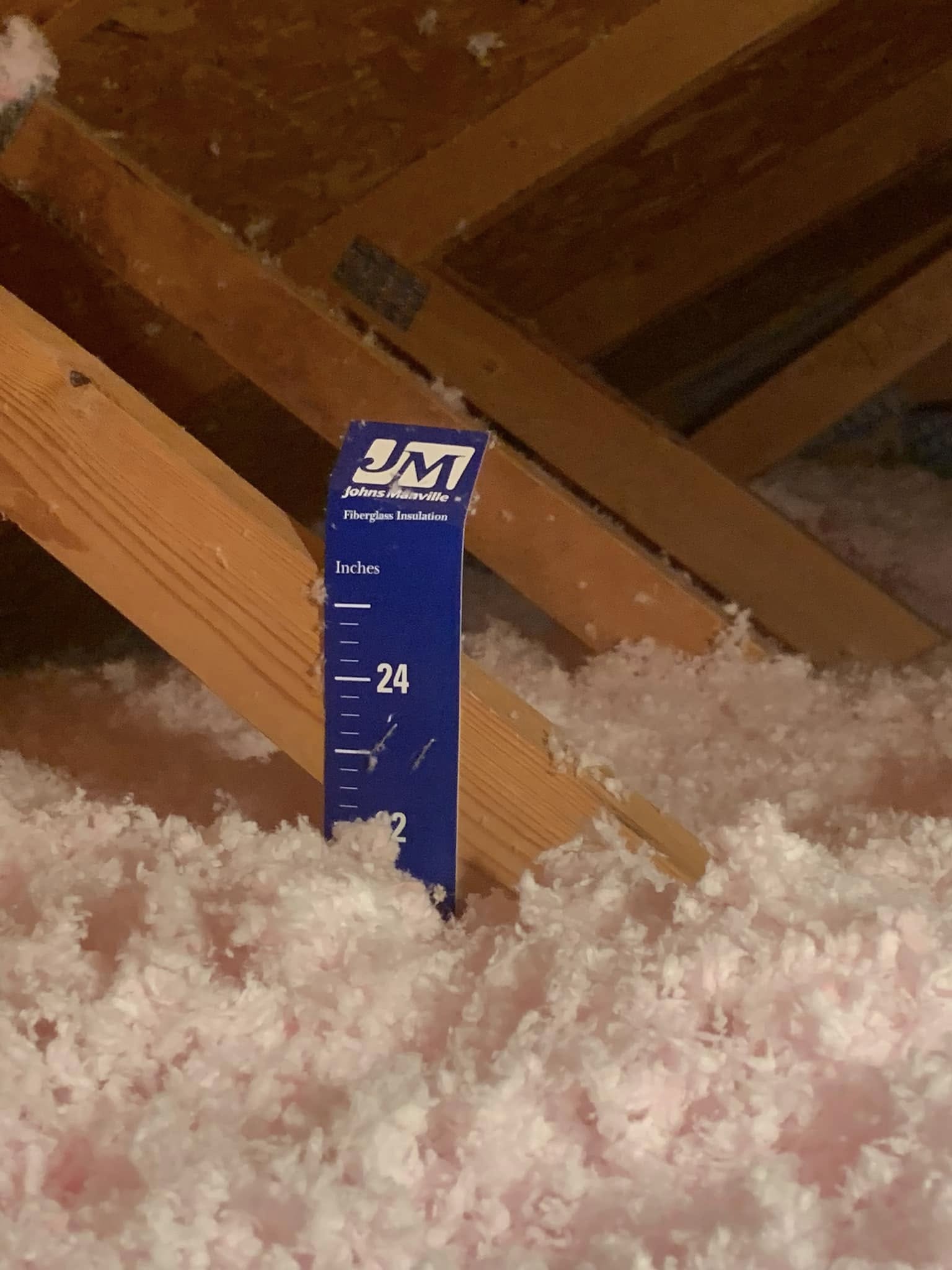
| R-38 | Around 10 to 13 inches | Basic improvement, many older homes start here |
| R-49 | Around 13 to 16 inches | Strong all-around target for Denver comfort issues |
| R-60 | Around 16 to 20 inches | Maximum performance goals, depends on attic layout |
What matters more than the number
Even coverage, no thin spots
Air sealing where it matters (attic access and penetrations)
Not blocking ventilation paths
Fixing moisture issues before adding insulation
Material options
Types of attic insulation we install
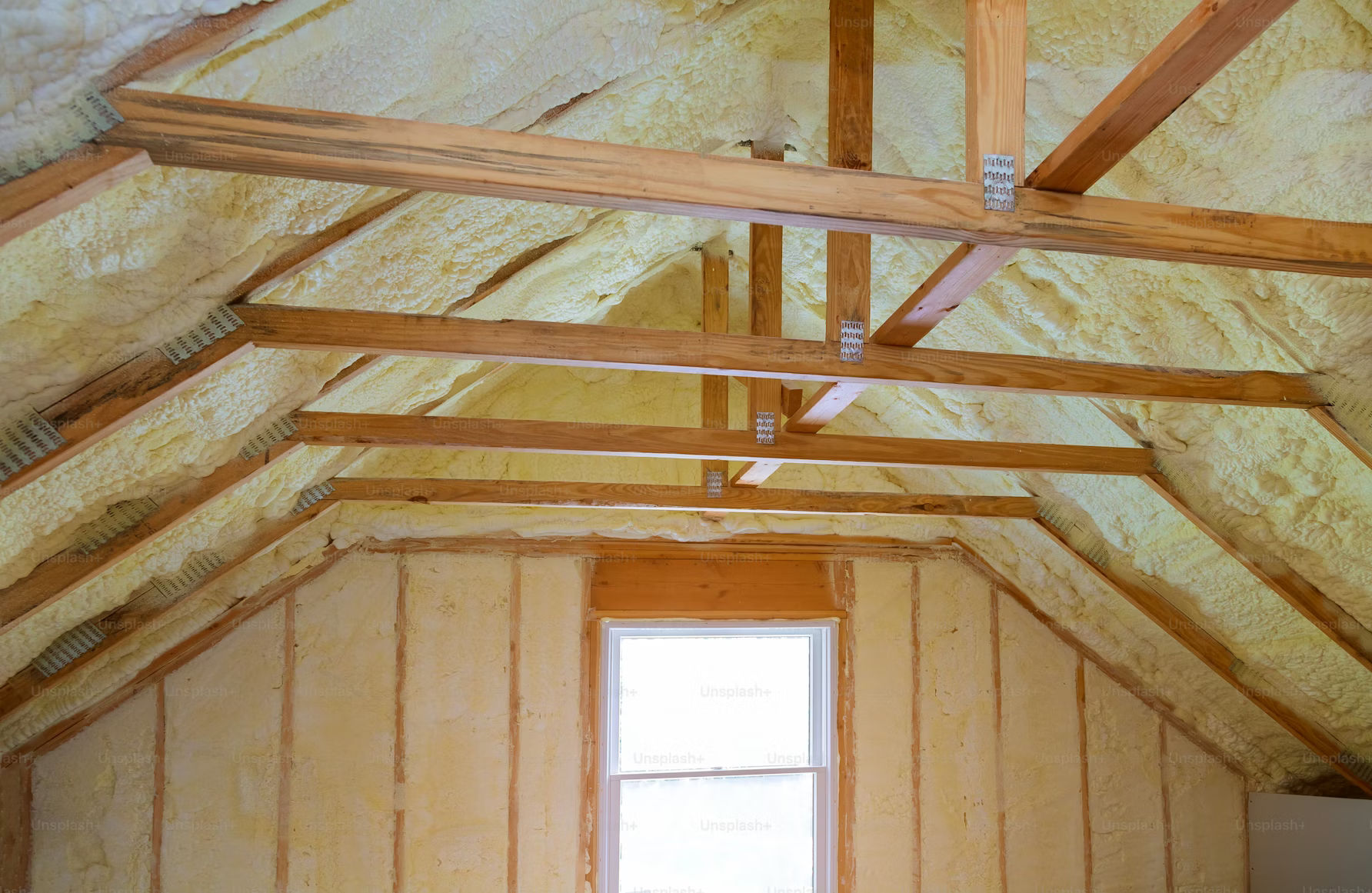
We install blown-in insulation because it covers irregular spaces better than batts in most attics.
Blown-in fiberglass
Great for most Denver attics, especially when adding over existing insulation
Covers around wiring and framing cleanly
Moisture resistant and stable
Blown-in cellulose
Good coverage and good R-value per inch
Often chosen for eco-focused upgrades
Works well when installed to the right depth and density
Why batts are usually not ideal in attics
Batts can leave gaps around obstacles and uneven areas. Blown-in insulation fills irregular spaces better, which usually means fewer weak spots and more consistent performance.
Common signs
How to tell your attic insulation needs work
You do not need special tools to spot attic issues. Most homeowners feel it day to day.
Cold bedrooms in winter
Upstairs rooms stay chilly even when the heat is running. This is common when warm air leaks upward, leaving the second floor hardest to keep comfortable.
Hot second floor in summer
The AC runs, but the top floor still feels warm. Often, the attic is holding heat above you and the rooms below take the hit.
Drafts you cannot locate
Air movement around attic access, ceiling fixtures, and top-floor ceilings is often tied to small gaps that connect your living space to the attic.
Ice dams or attic moisture
Heat escaping into the attic can create moisture and winter roof issues. If the root cause is not addressed, the problem tends to return.
Want a clear recommendation? Schedule a free estimate or call (720) 410-0487.
Why Palencia
What to expect when you hire us
Straight answers, clean work, and a result you can actually feel.
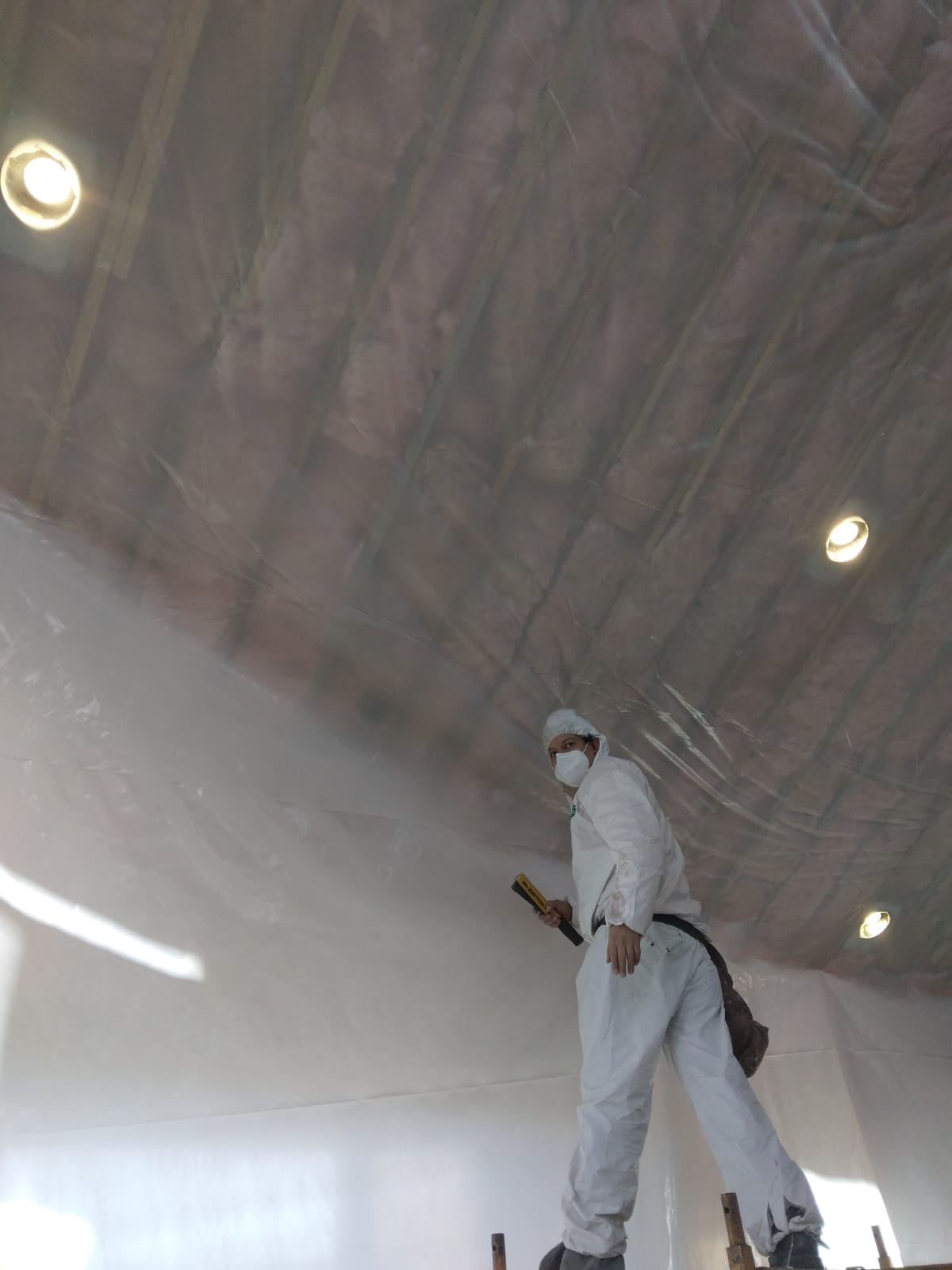
You should know what is being done, why it is being done, and what it should improve. We keep it simple: inspect, recommend the right fix, and install it cleanly.
We pay attention to the details that affect performance: even coverage, correct depth, and the spots where conditioned air escapes.
- Clear explanation of what we see and what we recommend
- Respect for your home and a tidy work area
- Scope you can understand before work begins
- Local Denver service, licensed and insured
Need insulation in other areas? See Wall Insulation and Crawl Space Insulation.
Benefits
What attic insulation helps with
Real improvements you can feel in the rooms you live in.
The goal is even coverage and the right depth so your home holds temperature better. When it is done correctly, upstairs comfort improves and the HVAC does not have to work as hard.
Less energy waste
When attic insulation is thin or uneven, your HVAC runs longer to maintain temperature. Getting the attic to the right depth helps your system cycle normally, especially with Denver’s temperature swings.
More even comfort
If the second floor feels hotter in summer or colder in winter, the attic is often the reason. Proper coverage helps reduce hot and cold spots between rooms and floors.
Less drafty upstairs
A lot of “mystery drafts” come from small gaps that connect your living space to the attic. We point out the common leak areas and tell you what is worth sealing before adding more insulation.
Better winter protection
Heat loss into the attic can contribute to moisture problems and ice dam conditions. Proper insulation, plus smart ventilation where needed, helps lower that risk.
Process
Simple process, clean job site
Clear steps, clear expectations, and no mess left behind.
1) Attic check
We look at what is there today: coverage, depth, access points, and any obvious ventilation or moisture concerns. You get photos and a clear explanation.
2) Clear plan
We recommend what makes sense for your home and your goal. If insulation is the move, we tell you the target depth and what should be handled first.
3) Clean installation
We protect your home, work efficiently, and keep the attic tidy. The goal is consistent coverage and a clean finish.
4) Final walkthrough
Before we leave, we confirm coverage and answer questions. You know what was done and what to expect after.
Service Areas
Attic insulation across Denver
We serve Denver and surrounding communities with professional attic insulation installation.
Coverage area
Denver and surrounding metro communities
Do not see your city? Call (720) 410-0487 and we will confirm service availability.
FAQ
Common questions
Clear answers, no guessing.
Want a clear recommendation?
Get a free attic insulation estimate from a local Denver team.
Serving Denver and surrounding areas.