
Book before the first cold snap
Insulation for Homes You're Already Living In
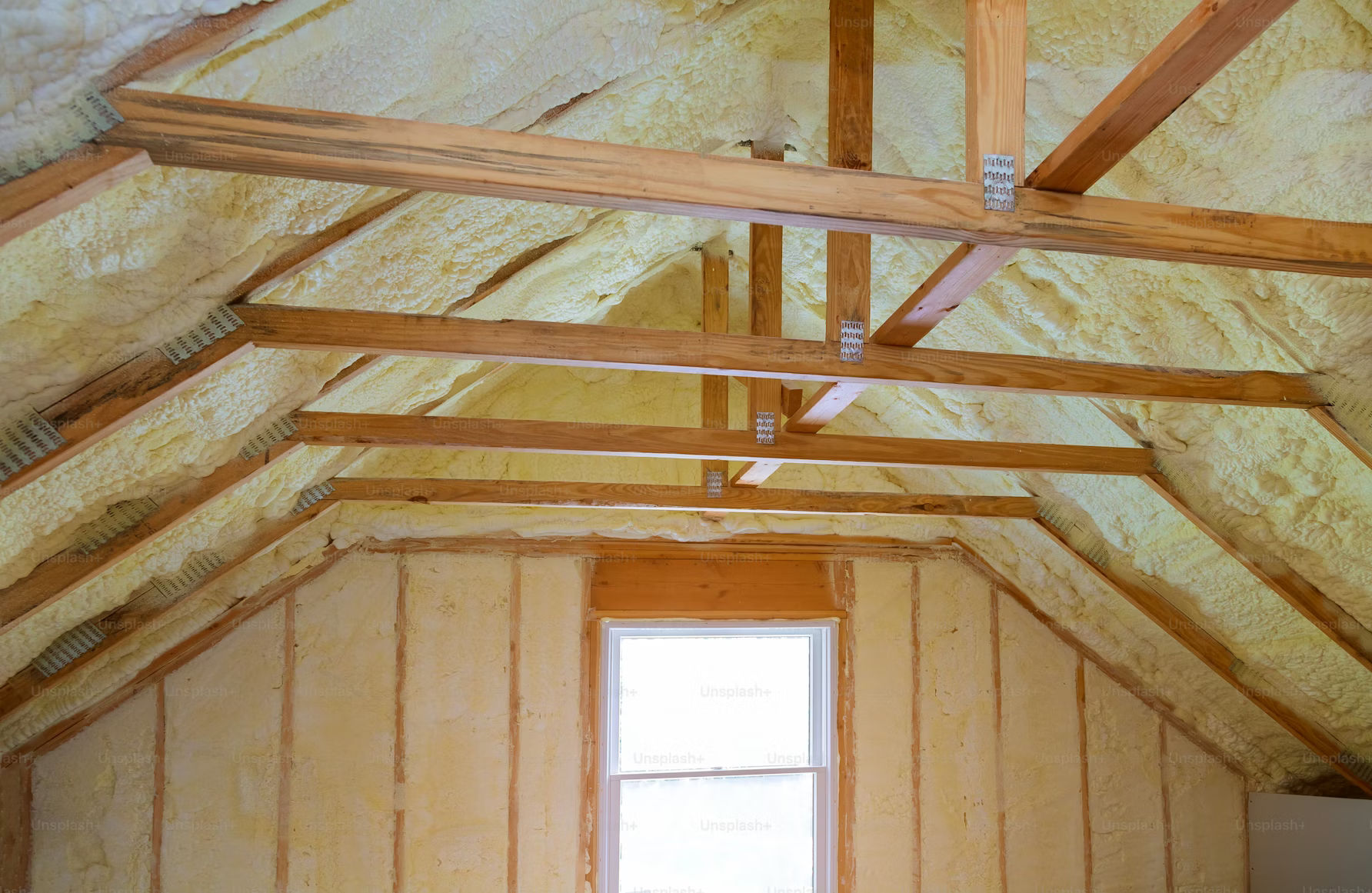
Not new construction. Not a remodel. Retrofit insulation for existing Denver-metro homes, installed around your walls, your schedule, and your life. No need to move out or tear anything open.
A different job, a different approach
New construction and existing-home insulation aren't the same trade
A lot of insulation crews only know one of these. We specialize in the second one: homes that are already built, already finished, and already lived in.
New construction insulation
- Installed before drywall goes up, everything is open
- Coordinated with a builder's framing schedule
- No occupant to work around, no furniture, no finished floors
Existing-home insulation (what we do)
- Works through small access points in finished walls and attics
- Scheduled around you, not a construction timeline
- Protects floors, furniture, and finishes that are already in place
Worth checking
Signs your existing home needs an insulation upgrade
Some rooms never feel right
Upstairs bedrooms too hot in summer, too cold in winter, no matter what the thermostat says.
Energy bills keep climbing
Your HVAC works harder every year to hold the same temperature, and the bill shows it.
The house has never been touched
Original insulation from whenever the home was built, decades of settling, never inspected or upgraded.
Ice dams or frosty eaves in winter
Heat escaping through the attic melts snow unevenly. That's a sign of gaps or thin coverage above the ceiling.
How it actually works
Built for a home you're not moving out of
You keep living in your house
No moving out, no gutting rooms. We work around your schedule and your stuff.
Small access points, not demolition
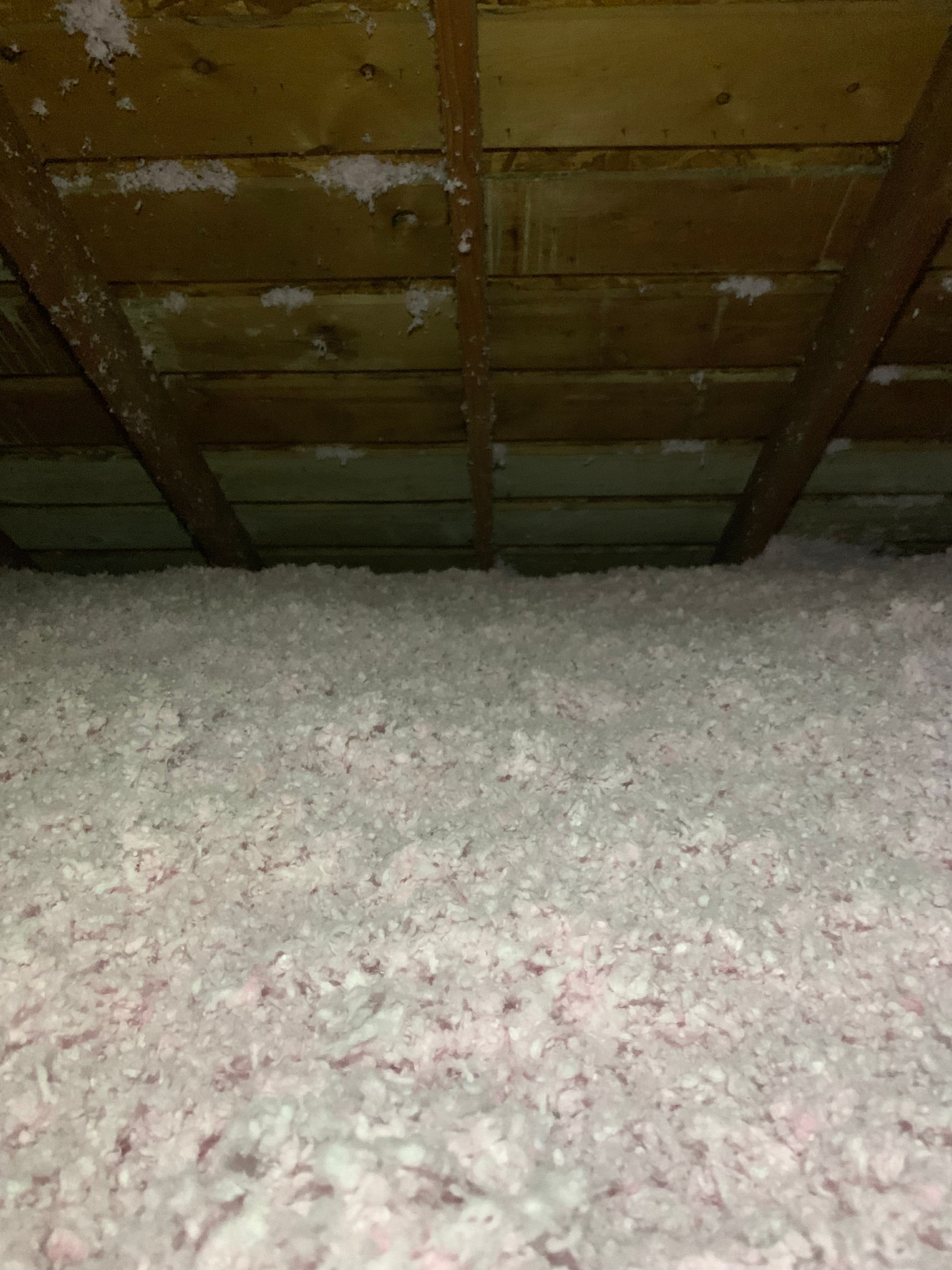
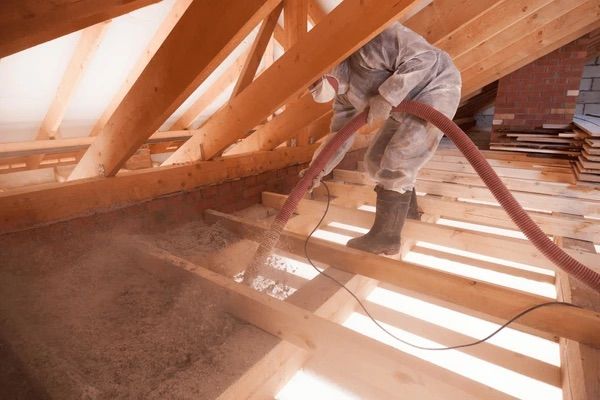
Blown-in material goes in through small drilled holes in walls or existing attic and crawl space access. Not torn-open drywall.
Floors and furniture protected
Drop cloths down, work area contained, access points patched when we're done.
Most jobs finish in a day
Retrofit insulation is fast because we're adding to what's there, not rebuilding the house around it.
Why the timing actually matters
Insulation added in November helps you for the rest of that winter. Insulation added in February has already missed the coldest stretch. Denver's heating season is long, and the homes that get ahead of it before the first freeze are the ones that feel the difference on the very first cold night, not the ones that wait until a bad bill shows up in January.
FAQ
Common questions
Clear answers, no guessing.
Get your home ready before winter
Free walkthrough, straightforward recommendation, no demolition required.