
Aurora basement insulation
Basement Insulation in Aurora, CO
Cold basements, cold floors, and lower-level drafts usually start with weak insulation, open rim joists, or air leaks below the home. We inspect the space and recommend the right fix.
Free estimates. Clean work. Serving Aurora and nearby areas.
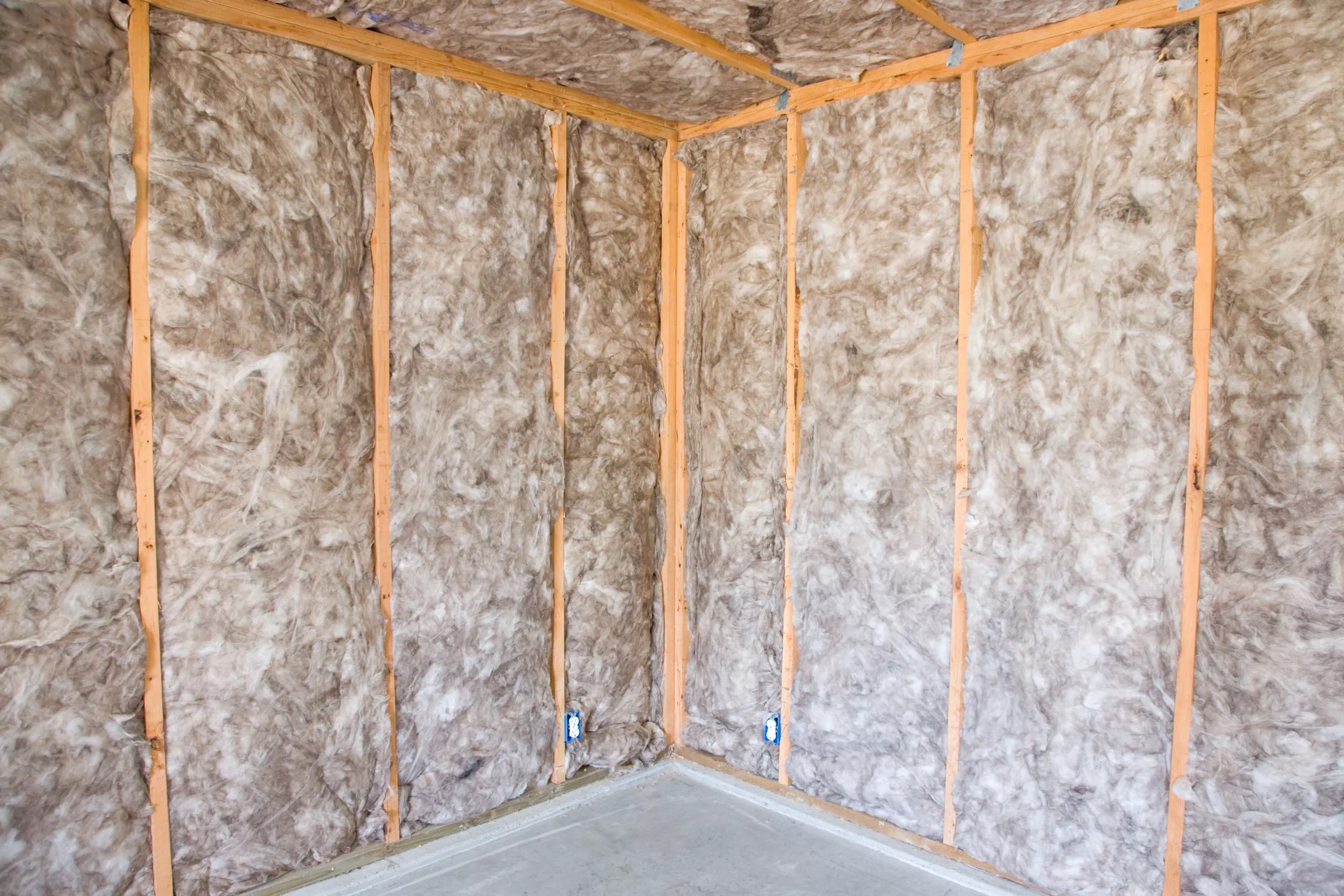
Best for
Cold basements, cold floors, rim joists, and lower-level drafts.
Watch for
Moisture, condensation, air leaks, and unfinished rim areas.
Goal
A warmer lower level and a more stable first floor above it.
Basement insulation explained
A cold basement can pull comfort away from the whole home.
Basement insulation helps reduce heat loss through the lower part of the home. When the rim joists, basement walls, or ceiling areas are weak, the basement stays cold and the first floor above it can feel cold too.
The basement acts like a cold sink when it is under-insulated. Cold air and cold surfaces affect the rooms above, especially during Aurora winters when the home is trying to hold warmth.
The right basement insulation plan depends on access, moisture, wall condition, rim joist condition, and whether drafts are moving through the lower envelope.
Why Aurora homes need it
Cold floors often start below the living space.
Aurora homes deal with cold winters and strong temperature swings. If the basement is not insulated well, the home can lose comfort from below even when the heating system is running.
The clearest sign is usually cold floors above the basement. After that, homeowners notice drafts, a lower level that never warms up, or finished basement rooms that still feel uncomfortable.
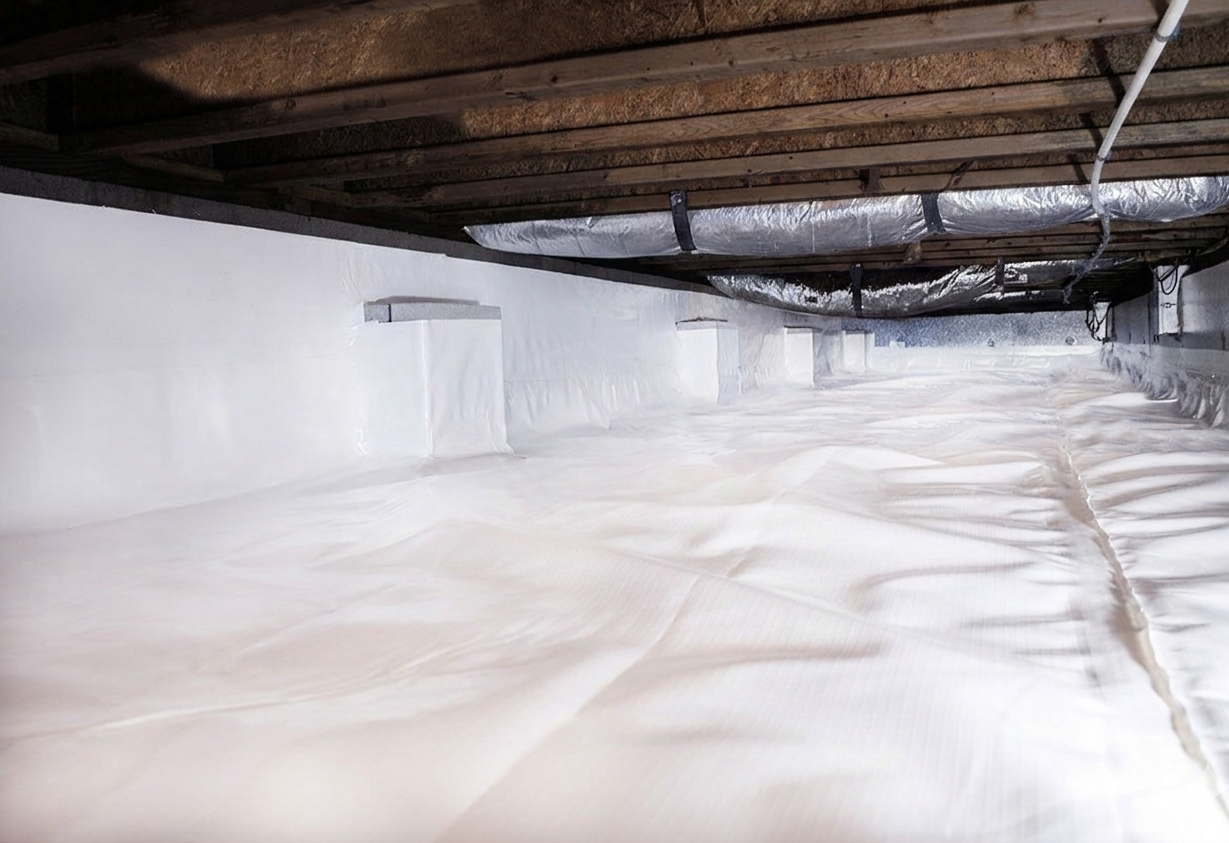
The basement stays cold even when the heat is running.
Floors above the basement feel cold in winter.
You feel drafts around the basement ceiling edge.
The finished basement still feels uncomfortable.
There is musty air or humidity in the lower level.
Heating bills rise because the lower part of the home leaks warmth.
What we check first
Basement insulation only works when moisture and drafts are handled correctly.
The goal is not to cover the basement with material and hope. We check the weak points first so the insulation has a better chance to last and perform.
Rim joist condition
Rim joists are one of the biggest basement draft and heat-loss areas. We check if they are open, leaking, under-insulated, or poorly sealed.
Foundation wall exposure
Basement walls can pull warmth out of the home. We check what walls are exposed, finished, unfinished, or accessible.
Air movement
Cold basements are often caused by both weak insulation and uncontrolled air movement. Drafts need to be understood before adding material.
Moisture signs
Basements need a moisture-aware plan. If there is dampness, water intrusion, or condensation risk, that changes the insulation approach.
Best insulation method
Some basements need rim joist sealing. Some need wall insulation. Some need a combined plan. The right method depends on the space.
Project photos
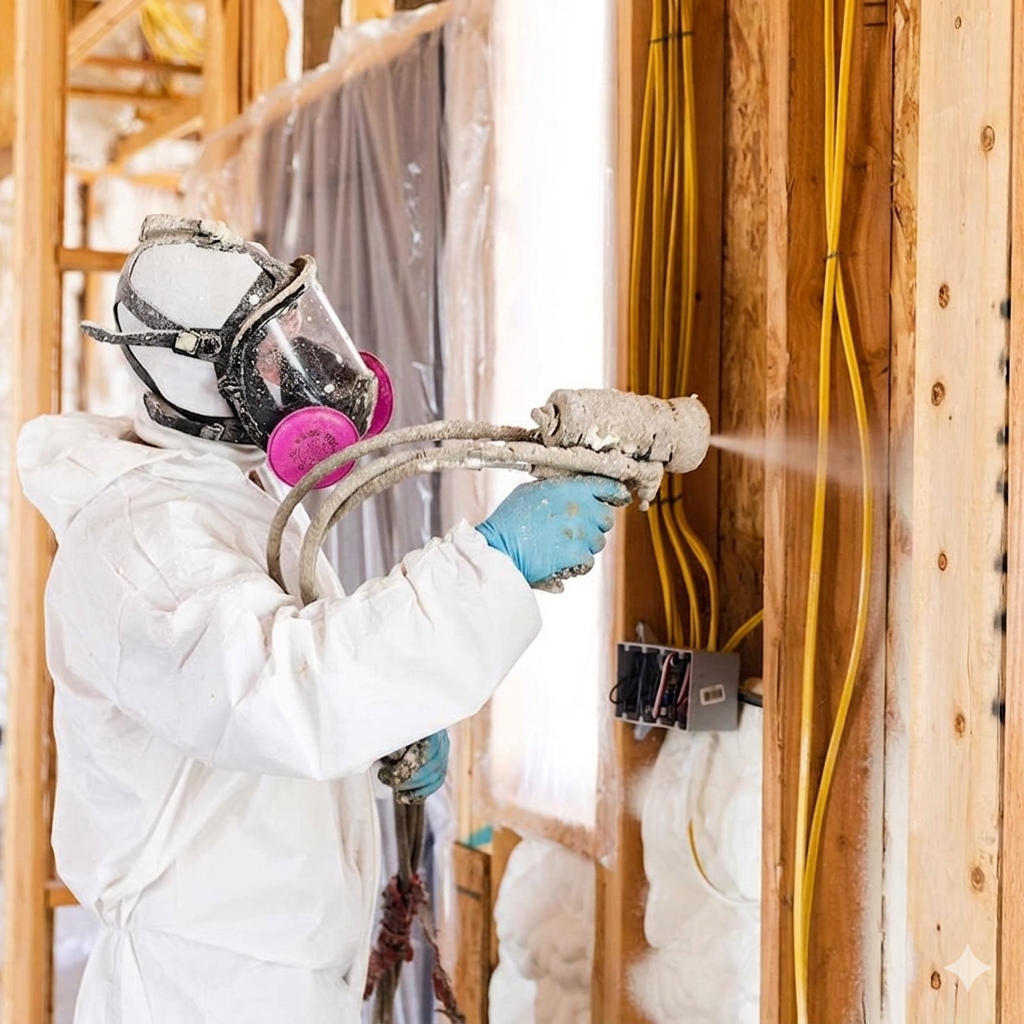
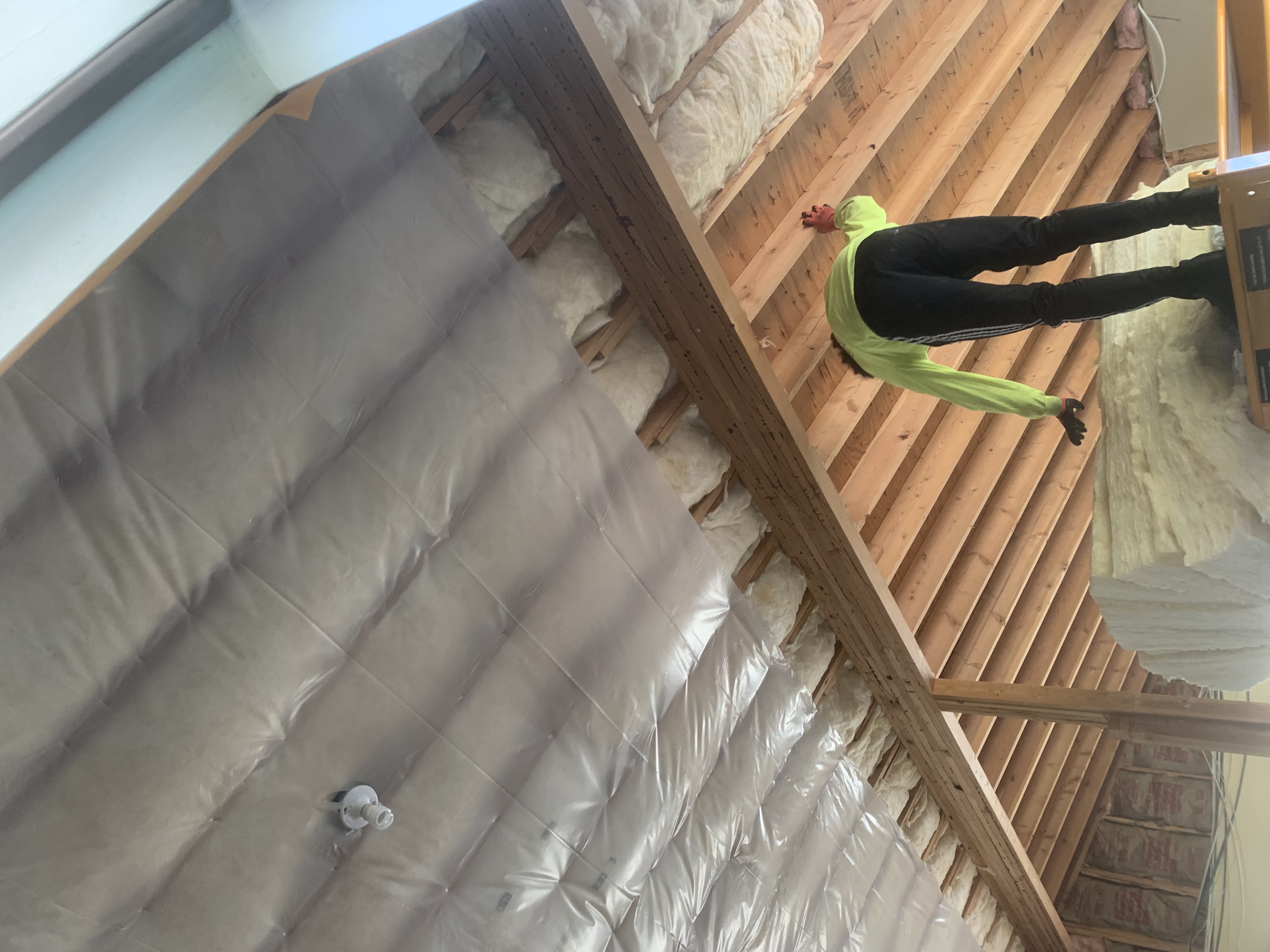
Basement insulation has to be clean, sealed, and moisture-aware.
A basement insulation job should address the areas that actually move comfort. Rim joists, walls, drafts, and moisture conditions all matter.
Where basement insulation helps
The strongest basement projects start with the actual weak point.
Rim joists
This is one of the most important basement insulation areas. If the rim area leaks air, the first floor can feel cold from below.
Basement walls
Foundation walls can transfer cold into the home. Insulating the right wall areas can make the basement feel more stable.
Finished basements
A basement can look finished and still feel cold if the insulation behind the walls or around the rim area is weak.
Basement ceilings
Ceiling or floor insulation may help with cold floors, sound transfer, or comfort between the basement and living space above.
What it improves
The goal is a lower level that stops dragging comfort out of the home.
Warmer basement comfort
Basement insulation helps reduce the cold sink effect that makes the lower level feel raw and uncomfortable.
Less cold floors upstairs
When the basement is better insulated, the floor system above it can feel more stable during winter.
Smarter moisture control
The right basement plan considers dampness, condensation, and the condition of the space before material is installed.
Air sealing connection
Basement insulation works better when drafts are controlled.
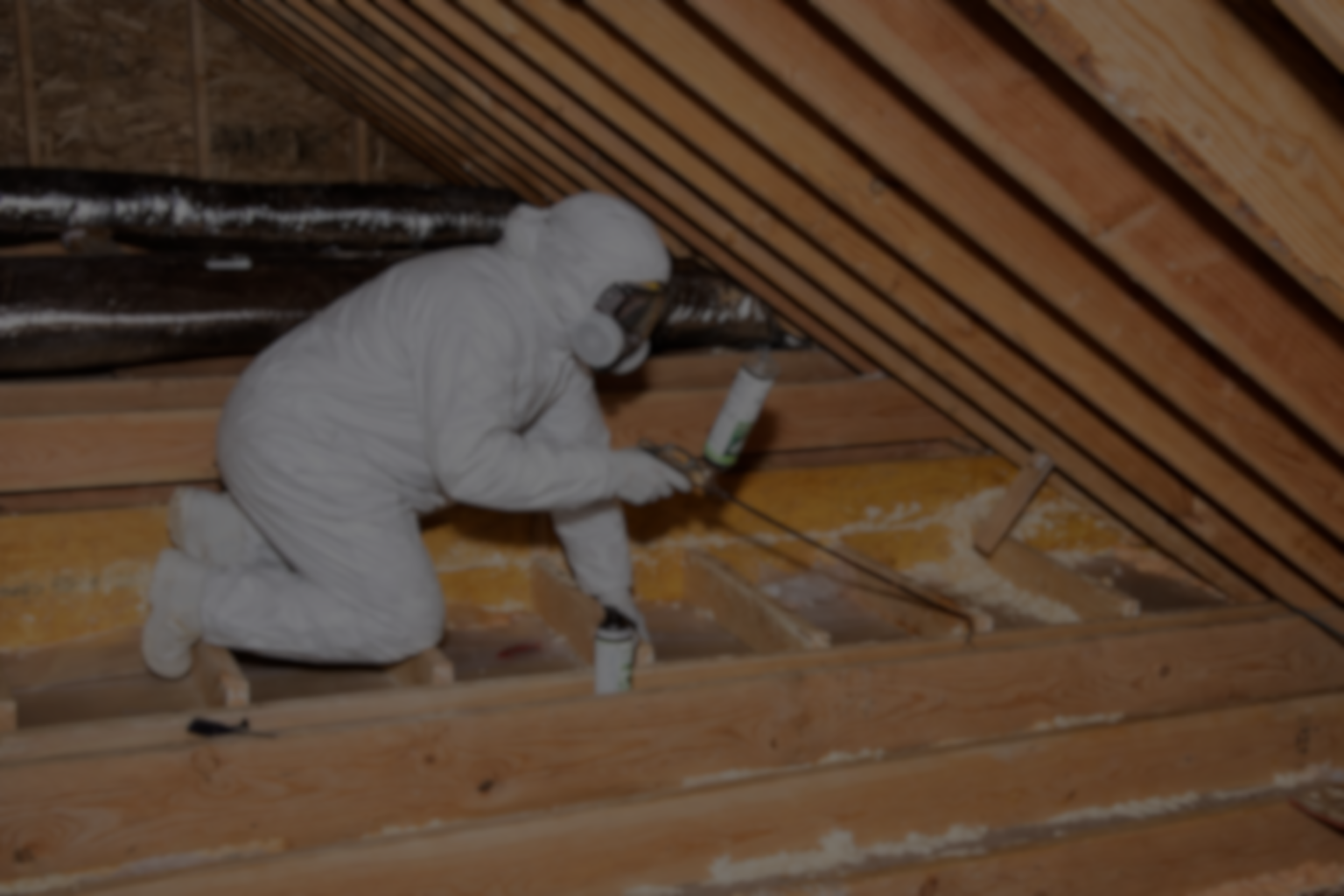
Cold floors and drafty basements are not always caused by missing insulation alone. Air leaks around rim joists, penetrations, and framing gaps can move cold air into the home.
That is why basement insulation often connects with air sealing in Aurora. Sealing key gaps can help the insulation perform better.
If the basement is damp, musty, or showing signs of moisture, we call that out before recommending insulation. The right fix should protect the home, not just cover the problem.
Common mistakes
Basement insulation fails when the obvious weak spots are ignored.
Ignoring rim joists
A basement wall can be insulated, but if the rim joists are leaking air, the home can still feel drafty.
Covering moisture problems
Insulation should not hide water intrusion, dampness, or condensation issues. The space needs to be checked first.
Using one method everywhere
Basements are not all the same. Rim joists, walls, ceilings, finished areas, and unfinished areas may need different solutions.
Cost and scope
Basement insulation cost depends on access, moisture, and what needs to be fixed first.
The useful answer is not a random number. The useful answer is a clear look at the basement, the rim joists, the wall condition, and whether air sealing or moisture concerns need attention.
Basement size
A small rim joist project is different from insulating a full basement wall system.
Finished vs unfinished areas
Open areas are easier to inspect and insulate. Finished areas may limit access.
Rim joist needs
Drafty rim joists may need sealing and insulation before the basement feels stable.
Moisture concerns
Dampness, condensation, or water intrusion can change the recommended approach.
Material choice
Batt, foam, or another insulation method may make sense depending on the exact basement conditions.
Real proof
Palencia customers mention clean work, clear communication, and homes that feel better.
Reviews mention basement insulation, crawl space insulation, attic work, air sealing, clean installation, fair pricing, and strong communication. That matters because insulation is hidden after the job. The process needs to be clear before anything gets covered.
“They were professional, clean, and explained everything before doing the work.”
That is the standard for basement insulation: inspect first, explain clearly, and install cleanly.
Related Aurora services
Basement insulation often connects with other lower-home comfort fixes.
Air Sealing
Important when drafts around rim joists, penetrations, or framing gaps are part of the problem.
Learn more
Crawl Space Insulation
Helpful when cold floors or lower-home drafts are connected to the crawl space.
Learn more
Batt Insulation
Useful when basement ceilings, walls, or open cavities can be insulated cleanly.
Learn more
Aurora service hub
Compare all insulation services available in Aurora.
FAQs
Basement insulation questions from Aurora homeowners
Is basement insulation worth it in Aurora?
+
Yes, especially if the basement feels cold, the floors above feel cold, or drafts are coming from the lower part of the home. A better basement insulation setup can make the lower level and main floor feel more stable.
What area of the basement should be insulated first?
+
Rim joists are often one of the first areas to inspect because they can leak air and create cold floors above. Basement walls and ceilings may also matter depending on the layout.
Can basement insulation help with cold floors?
+
Yes. Cold floors above a basement can be caused by heat loss and air leaks below. Basement insulation, especially around rim joists and the floor system, can help reduce that problem.
Should moisture be fixed before basement insulation?
+
Yes. Active water intrusion, dampness, or condensation should not be ignored. Basement insulation needs a moisture-aware plan so the work lasts and does not hide a bigger issue.
How much does basement insulation cost in Aurora?
+
Cost depends on basement size, access, rim joist condition, wall condition, moisture concerns, material choice, and whether air sealing is needed. A quick inspection gives the clearest quote.
Need basement insulation in Aurora?
Get a free estimate from Palencia Insulation and find out what your basement actually needs.