
Best for
Old, wet, dirty, damaged, or contaminated insulation.
Watch for
Odor, moisture, pests, debris, and poor attic coverage.
Goal
A cleaner attic ready for air sealing and better insulation.
Insulation removal explained
Sometimes the best insulation job starts by removing what is already there.
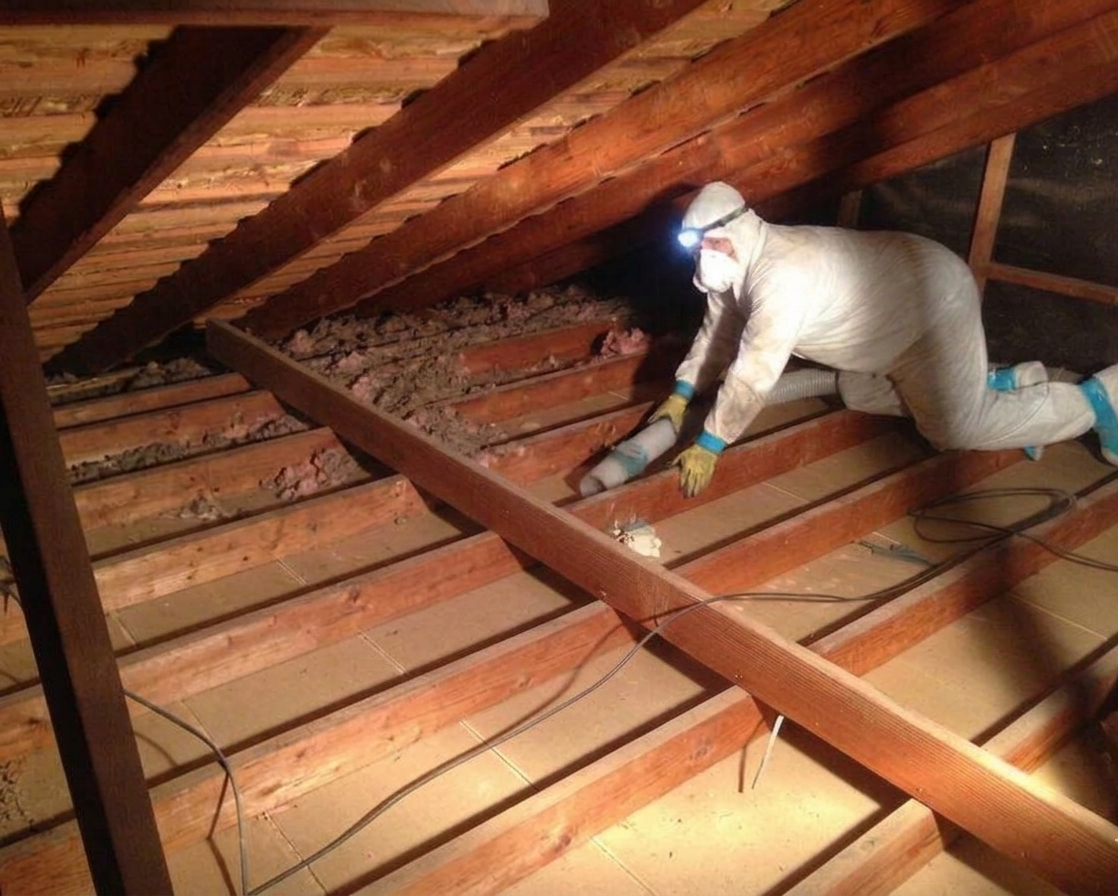
Insulation removal is the process of taking out old or damaged insulation so the attic can be cleaned, inspected, sealed, and prepared for better replacement work. It is not always needed, but when the existing insulation is bad, skipping removal can weaken the whole project.
Old insulation can hold dust, debris, odor, moisture, pest material, and years of attic contamination. If that material is simply covered with new insulation, the attic may still have the same hidden problems underneath.
The right approach depends on the condition of the insulation. Clean and dry material may be fine to add over. Damaged, wet, dirty, compressed, or contaminated material should be inspected before any new insulation is installed.
Why Aurora homes need it
Bad attic insulation can hide the reason your home keeps feeling uncomfortable.
Aurora homes deal with real temperature swings. If old attic insulation is thin, scattered, dirty, or damaged, the attic may not be ready for a proper upgrade until that material is removed.
Removal can expose air leaks, attic floor gaps, hidden damage, and uneven areas that need attention before new insulation goes in.
The attic insulation is dirty, old, or uneven.
Insulation has been damaged by moisture or pests.
The attic smells musty or dusty.
You are upgrading insulation and want a clean starting point.
Old insulation is compressed, scattered, or no longer useful.
There is debris, contamination, or previous work that needs cleanup.
What we check first
Removal should be based on condition, not guesswork.
The goal is not to remove insulation for no reason. The goal is to remove material that is hurting the attic or blocking the next step from being done correctly.
Current insulation condition
We check whether the insulation is simply old, or if it is damaged, wet, contaminated, compressed, or no longer worth keeping.
Moisture or odor signs
If the attic has moisture stains, musty air, or odor issues, removal may need to happen before new insulation is added.
Pest or debris concerns
Insulation can hold debris, dust, nesting material, and contamination. We look for anything that should not be buried under new material.
Air sealing opportunities
Once old insulation is removed, the attic floor is easier to inspect and seal before new insulation is installed.
Replacement plan
Removal is usually part of a bigger plan. The goal is not just to take material out, but to prepare the attic for better performance.
Project photos
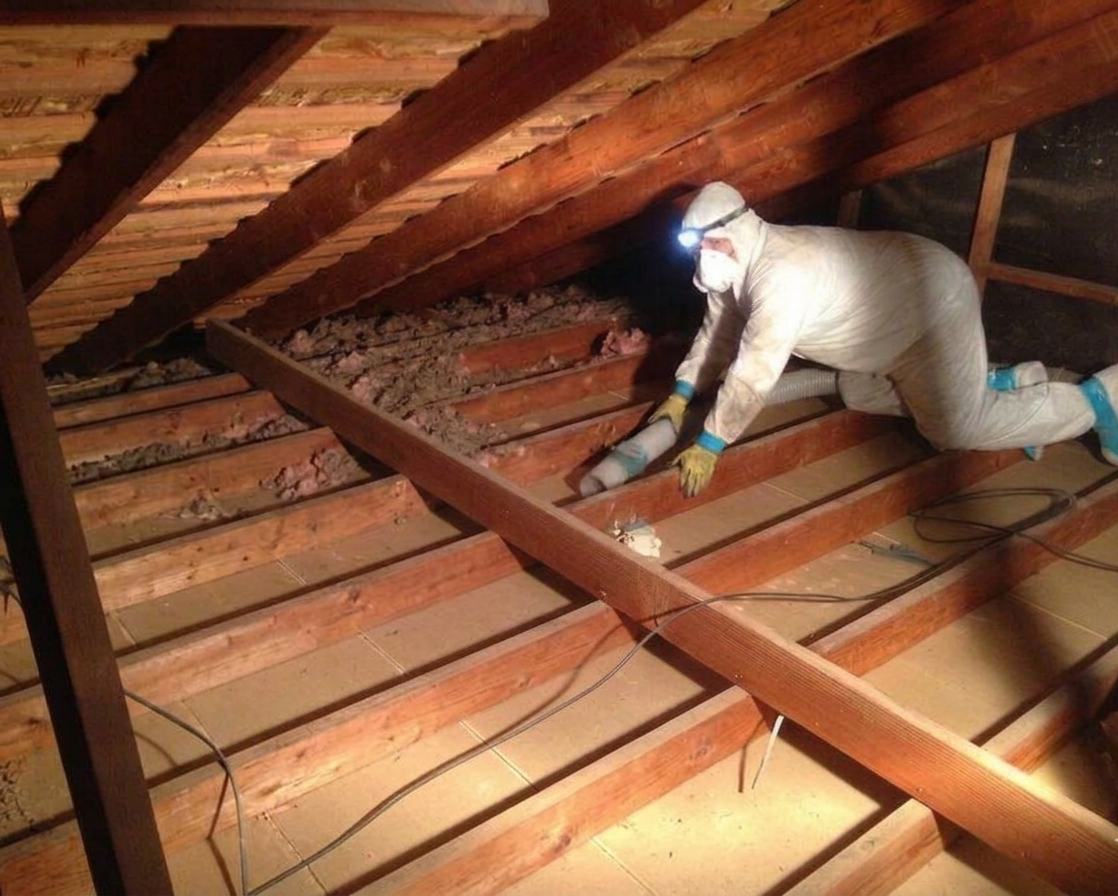
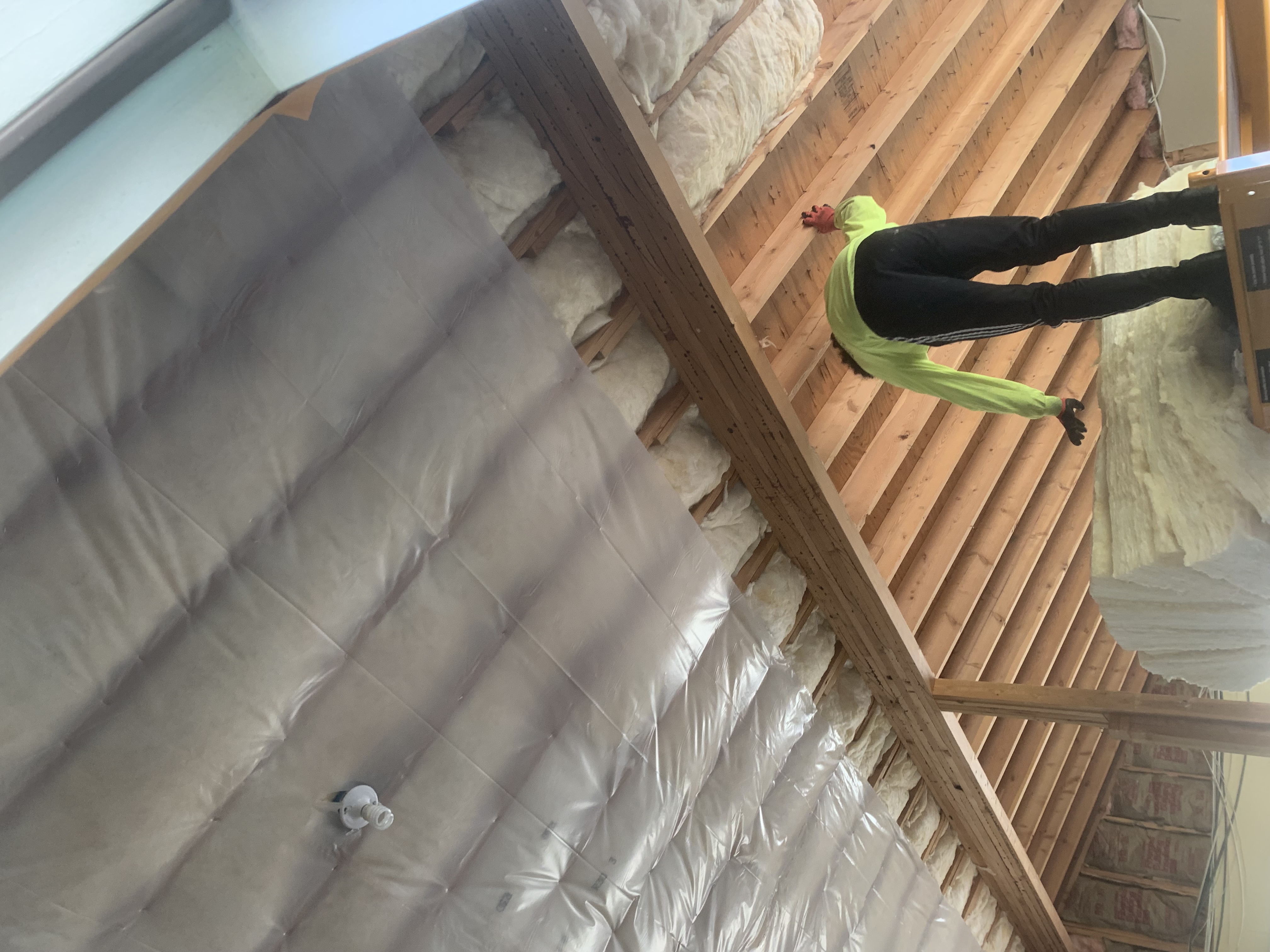
Removal clears the way for better attic work.
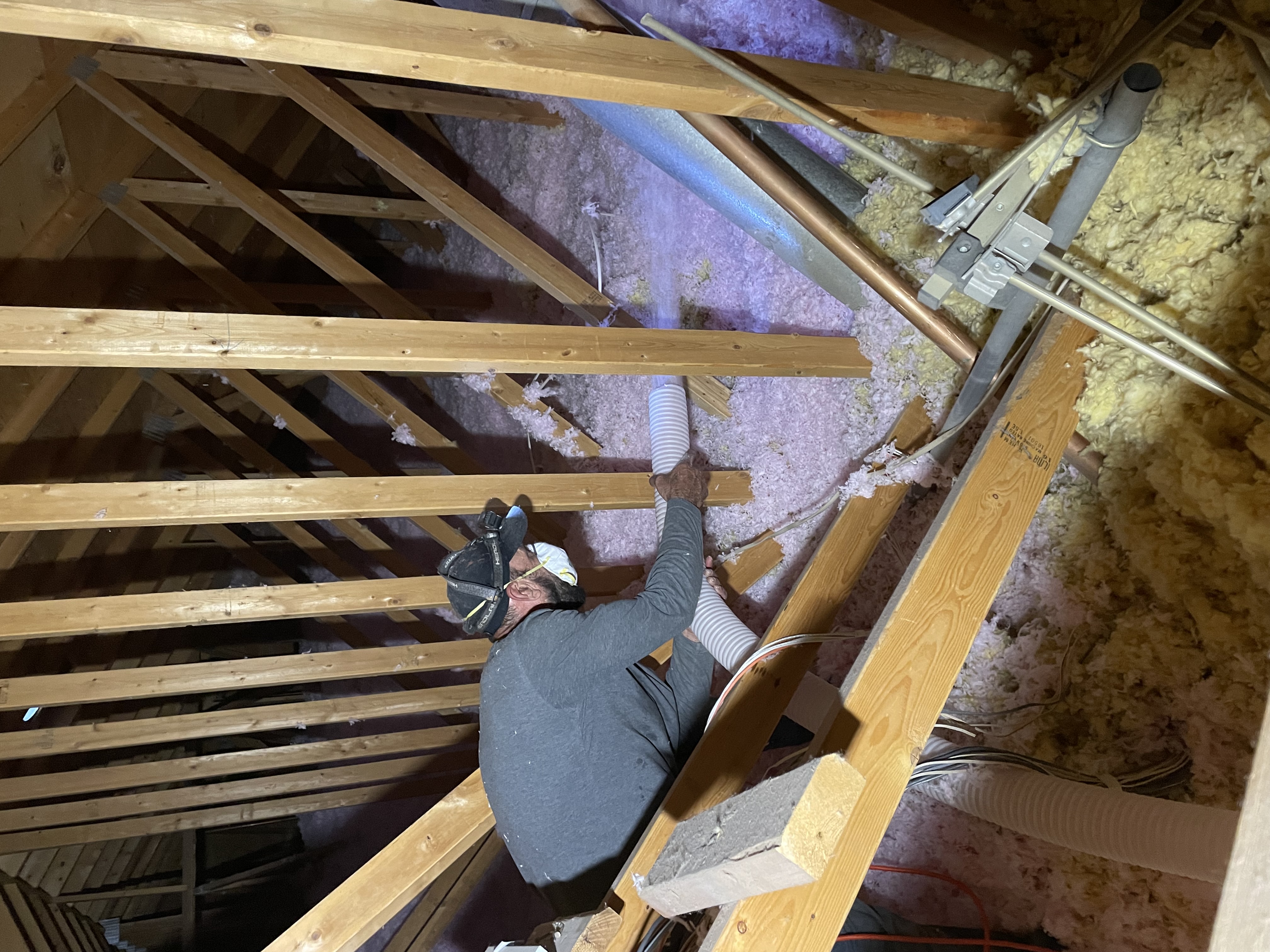
Once old insulation is removed, the attic floor is easier to inspect, seal, and prepare for clean replacement. That is where the real improvement starts.
When removal makes sense
Not every attic needs removal, but bad insulation should not be ignored.
Damaged insulation
Wet, dirty, contaminated, or pest-affected insulation should not be covered with new material.
Poor attic coverage
If insulation is scattered, compressed, or badly uneven, removal may give the attic a cleaner reset.
Before air sealing
Removal can expose gaps, penetrations, and leak points that are hard to see under old insulation.
Before replacement
A clean attic floor helps new insulation go in evenly and perform better after the upgrade.
What it improves
The value is not just what gets removed. It is what becomes possible after.
Cleaner attic prep
Old insulation removal gives the attic a better starting point before sealing, baffles, or new insulation are added.
Better visibility
Once old material is out, it is easier to see attic floor gaps, hidden damage, and areas that need attention.
Stronger replacement work
New insulation performs better when it is not being installed over damaged or useless material.
Air sealing connection
The best time to air seal is often after old insulation comes out.
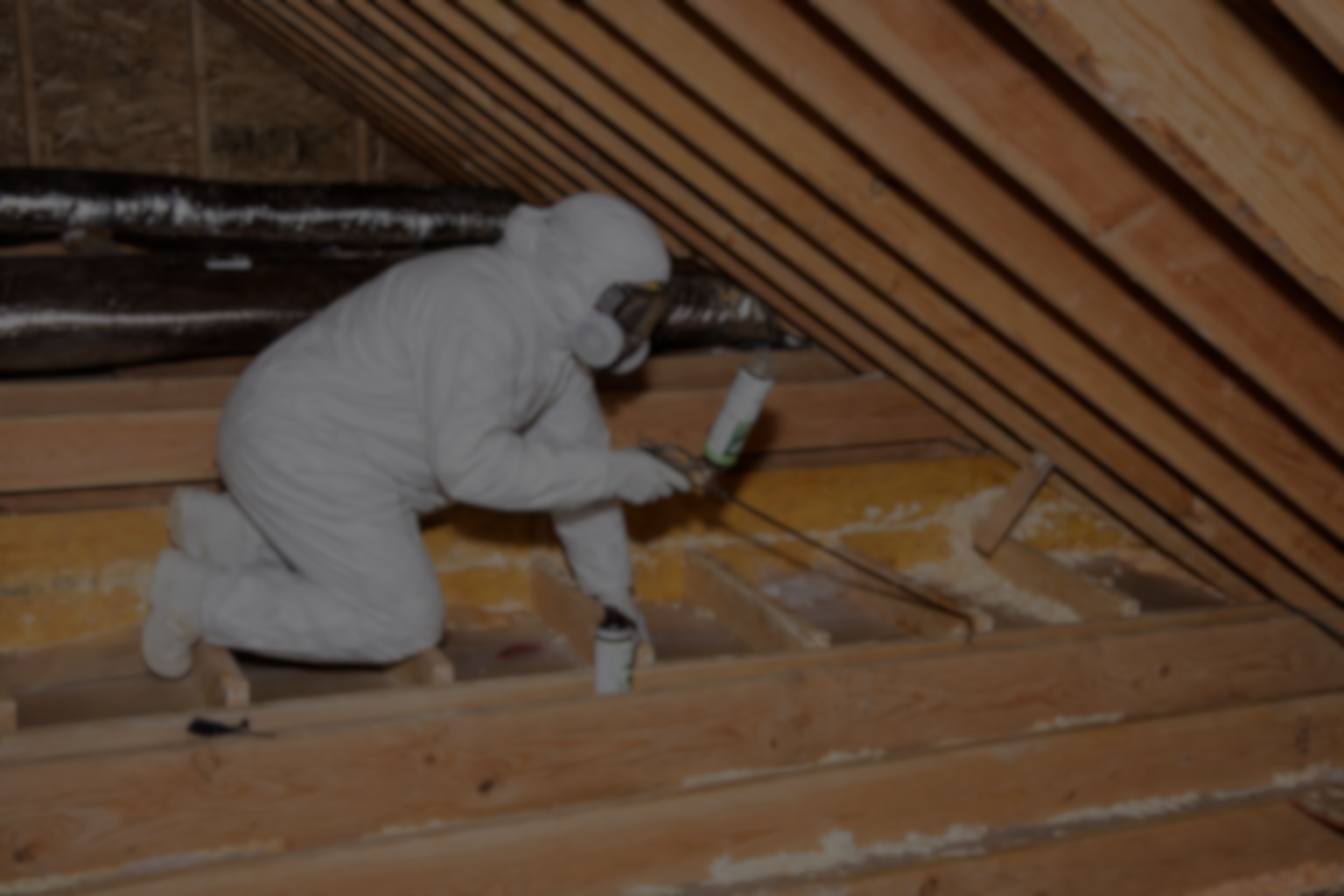
Old insulation can hide attic floor gaps, wiring penetrations, plumbing openings, top plates, and other leak points. Once the material is removed, those spots are easier to see and seal.
That is why insulation removal often connects with air sealing in Aurora. Sealing the attic first can help new insulation perform better.
After removal and sealing, the attic is in a much better position for blow-in insulation or a full attic insulation upgrade.
Common mistakes
Insulation removal goes wrong when it is treated like simple cleanup.
Adding over bad insulation
New insulation should not be placed over wet, contaminated, pest-affected, or badly damaged material.
Skipping air sealing
Removal is one of the best times to seal attic leaks. If leaks stay open, new insulation may underperform.
Only cleaning the visible spots
A real removal job should look at the attic as a system, not just clear a small area and ignore the rest.
Cost and scope
Insulation removal cost depends on access, condition, and what comes next.
The useful answer is not a random number. The useful answer is a clear look at the attic, the material condition, and whether removal is being paired with air sealing or replacement insulation.
Attic size
Larger attics need more labor, more bags, and more cleanup time.
Insulation condition
Wet, dirty, damaged, or contaminated insulation takes more care than clean material.
Access
Tight attic access, low clearance, ducts, wiring, and framing can affect the scope.
Debris level
Extra debris, old materials, or previous work left behind can add time to the project.
Replacement plan
Removal may be paired with air sealing, baffles, and new attic insulation.
Real proof
Palencia customers mention attic cleanup, clear communication, and clean finished work.
Reviews mention old insulation removal, attic insulation, air sealing, before-and-after photos, clean job sites, fair pricing, and strong communication. That matters because attic work is hidden after the job.
“They removed old insulation, sealed leaks, installed new insulation, and cleaned everything up.”
That is the standard: remove what should come out, prep the attic correctly, and leave the space ready for better performance.
Related Aurora services
Insulation removal usually connects with the next attic upgrade.
Attic Insulation
The usual next step after old insulation is removed and the attic is ready for clean coverage.
Learn more
Air Sealing
Best done while the attic floor is exposed and leak points are easier to reach.
Learn more
Blow-In Insulation
A strong replacement option when the attic needs even coverage after removal.
Learn more
Aurora service hub
Compare all insulation services available in Aurora.
FAQs
Insulation removal questions from Aurora homeowners
When should attic insulation be removed?
+
Insulation should usually be removed when it is wet, contaminated, pest-affected, badly damaged, full of debris, or too uneven to keep. It may also be removed before air sealing or a full insulation replacement.
Can new insulation be added over old insulation?
+
Sometimes, yes. If the old insulation is dry, clean, and still useful, adding over it can work. If it is damaged, dirty, wet, or contaminated, removal may be the better first step.
Does insulation removal help before air sealing?
+
Yes. Removing old insulation can expose gaps, penetrations, top plates, and leak points that are hard to see when the attic floor is covered.
How long does insulation removal take?
+
Many removal jobs can be completed in one day, but timing depends on attic size, access, insulation condition, debris level, and whether replacement work is included.
How much does insulation removal cost in Aurora?
+
Cost depends on attic size, access, material condition, contamination, debris, and whether new insulation or air sealing is part of the project. A quick inspection gives the clearest quote.
Need insulation removal in Aurora?
Get a free estimate from Palencia Insulation and find out if the old insulation should stay or come out first.