
Best for
Bedrooms, offices, basements, media rooms, and shared walls.
Watch for
Wall access, gaps, outlets, doors, ceilings, and noise type.
Goal
Less sound transfer, better privacy, and quieter finished spaces.
Sound wall insulation explained
Soundproofing starts with reducing sound transfer, not making impossible promises.
Sound wall insulation helps reduce the amount of noise that moves through walls, ceilings, and floor cavities. It is commonly used in bedrooms, offices, nurseries, basements, media rooms, garage-adjacent rooms, and remodels.
The important thing is setting the right expectation. Insulation can reduce sound transfer, but it does not turn a standard residential wall into a recording studio by itself. Doors, outlets, framing, floors, ceilings, and gaps all affect the final result.
The best time to install sound wall insulation is when the cavity is open. If you are remodeling, finishing a basement, building an office, or opening walls already, that is the cleanest moment to improve sound control before drywall closes everything again.
Why Aurora homeowners ask for it
Privacy and comfort matter more when homes are used for work, rest, and family life.
A lot of homes were not built with sound control in mind. Bedrooms sit next to bathrooms, home offices sit near living rooms, basements become media rooms, and garage-adjacent rooms pick up noise from the garage.
Sound wall insulation gives those spaces a better chance to feel private and controlled, especially when the wall or ceiling cavity is already open.
You hear conversations through interior walls.
Bedrooms, offices, or nurseries need more privacy.
Sound travels from a basement, garage, or bonus room.
A remodel is open and the walls need sound control before drywall.
Footsteps, voices, or TV noise carry between rooms.
A shared wall or finished space needs better noise reduction.
What we check first
Sound control only works when the wall, ceiling, and weak points are understood.
The goal is not to stuff insulation anywhere and call it soundproofing. We look at the space, the noise source, the cavity, and the weak points before recommending the work.
Wall access
Sound wall insulation is strongest when the wall cavity is open. Remodels, additions, basements, and unfinished rooms are usually the cleanest opportunities.
Noise source
We look at what kind of noise is bothering you: voices, TV, footsteps, garage noise, basement noise, or room-to-room sound transfer.
Cavity depth
The wall or ceiling cavity determines what material can be installed and how much sound reduction is realistic.
Gaps and weak points
Sound can move through gaps, outlets, framing connections, doors, floors, and ceilings. Insulation helps, but weak points matter too.
Best material fit
Some spaces need batt insulation. Some may need blown-in wall insulation or a different approach depending on access and the goal.
Project photos
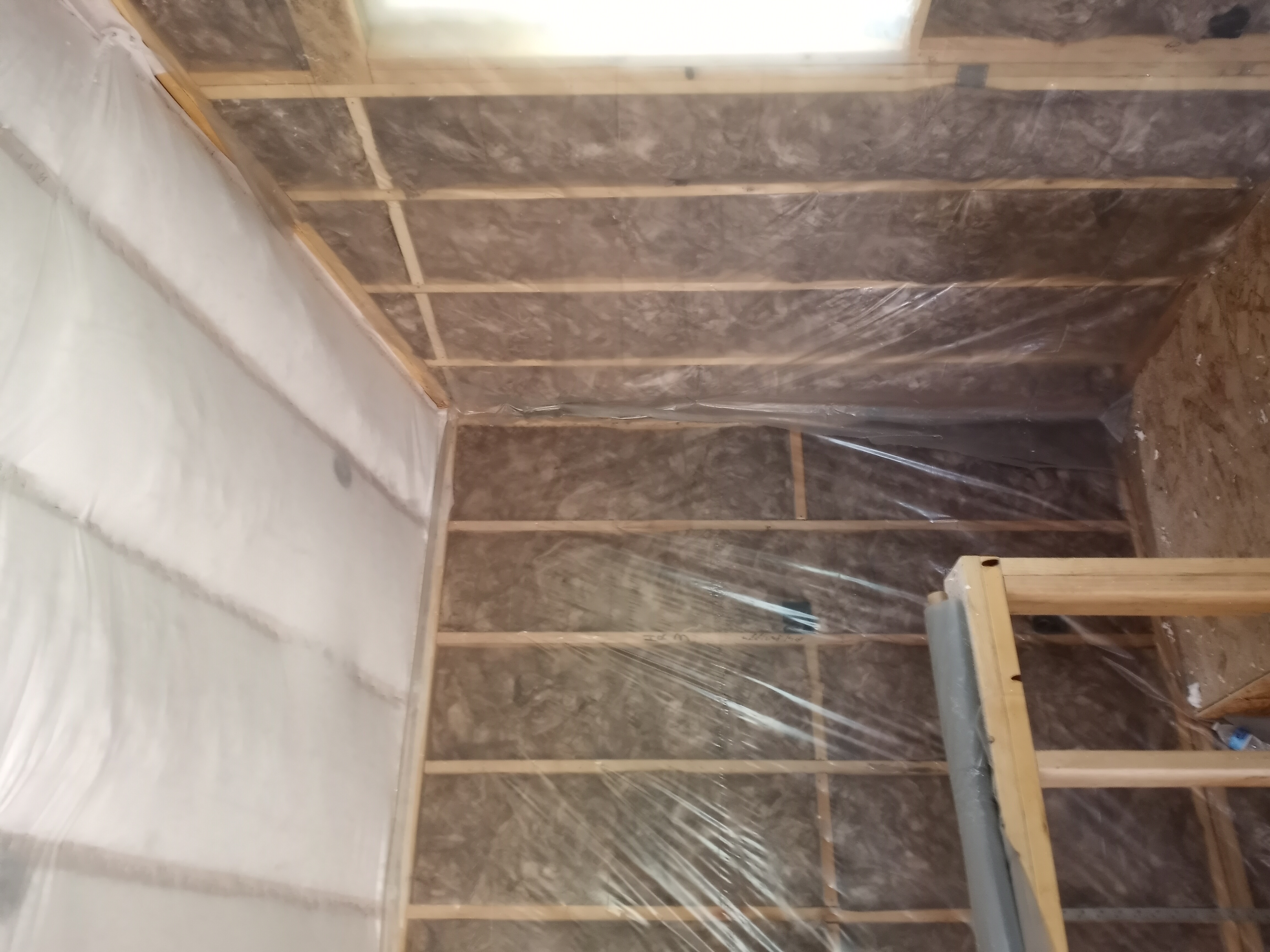
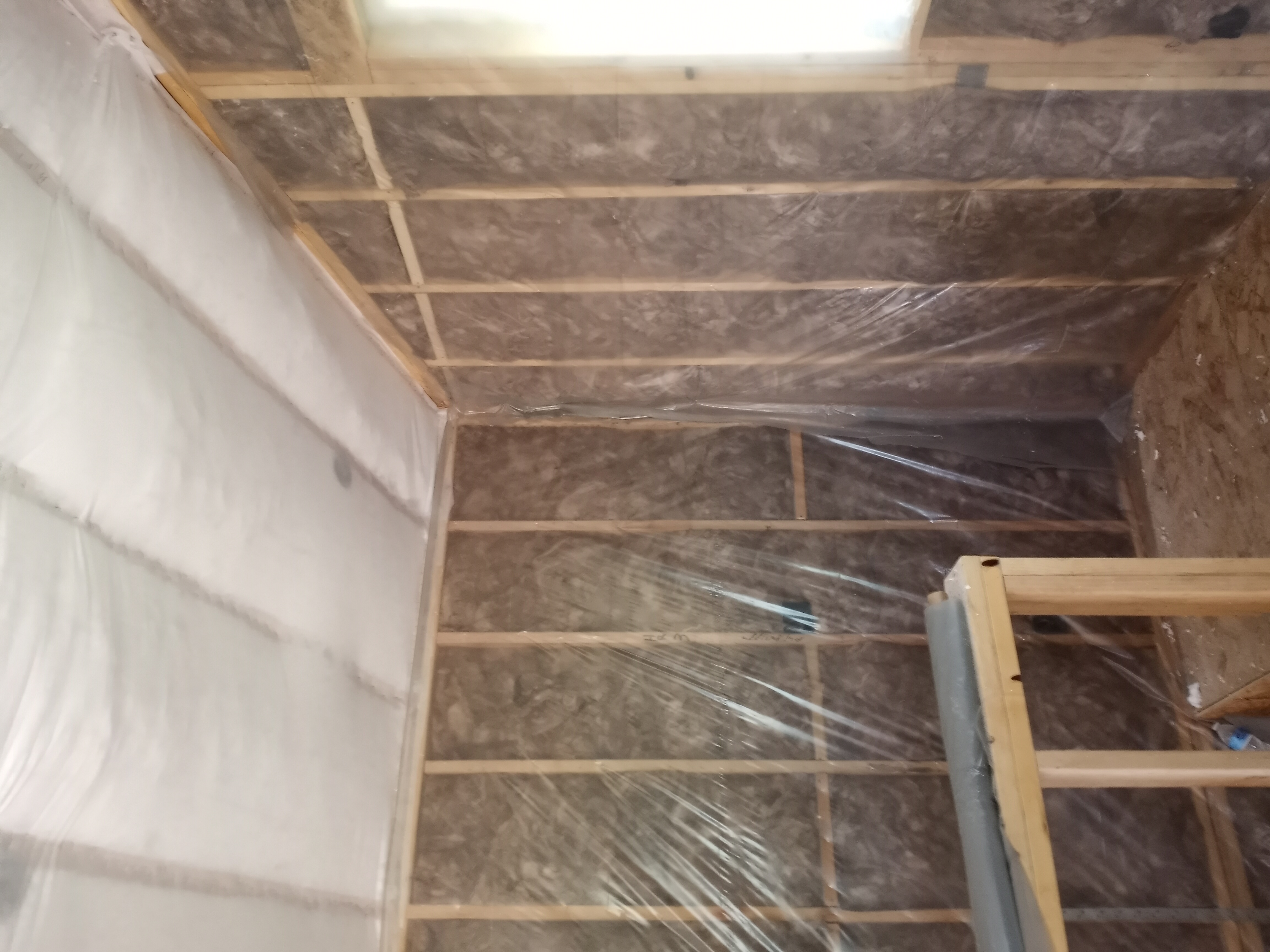
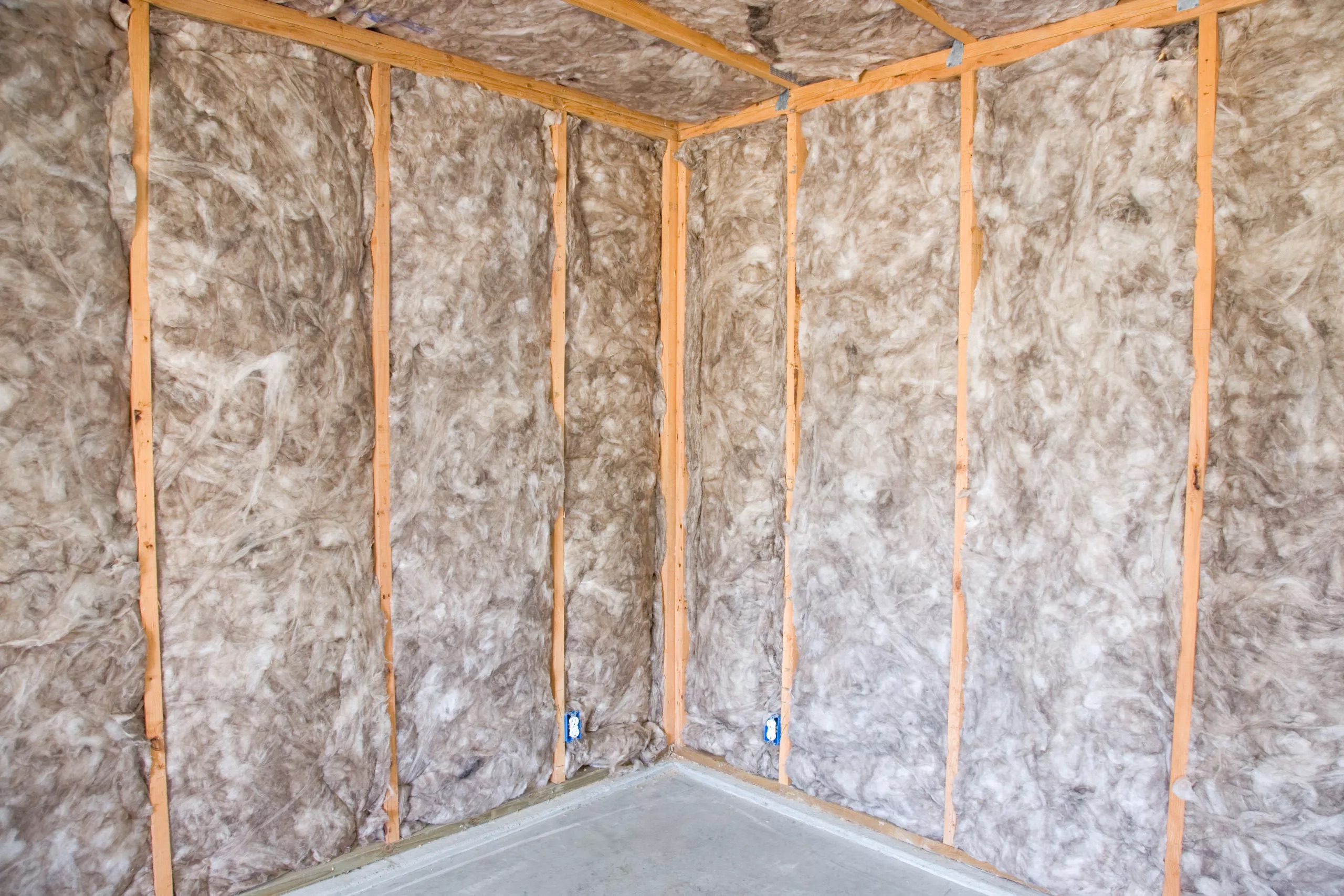
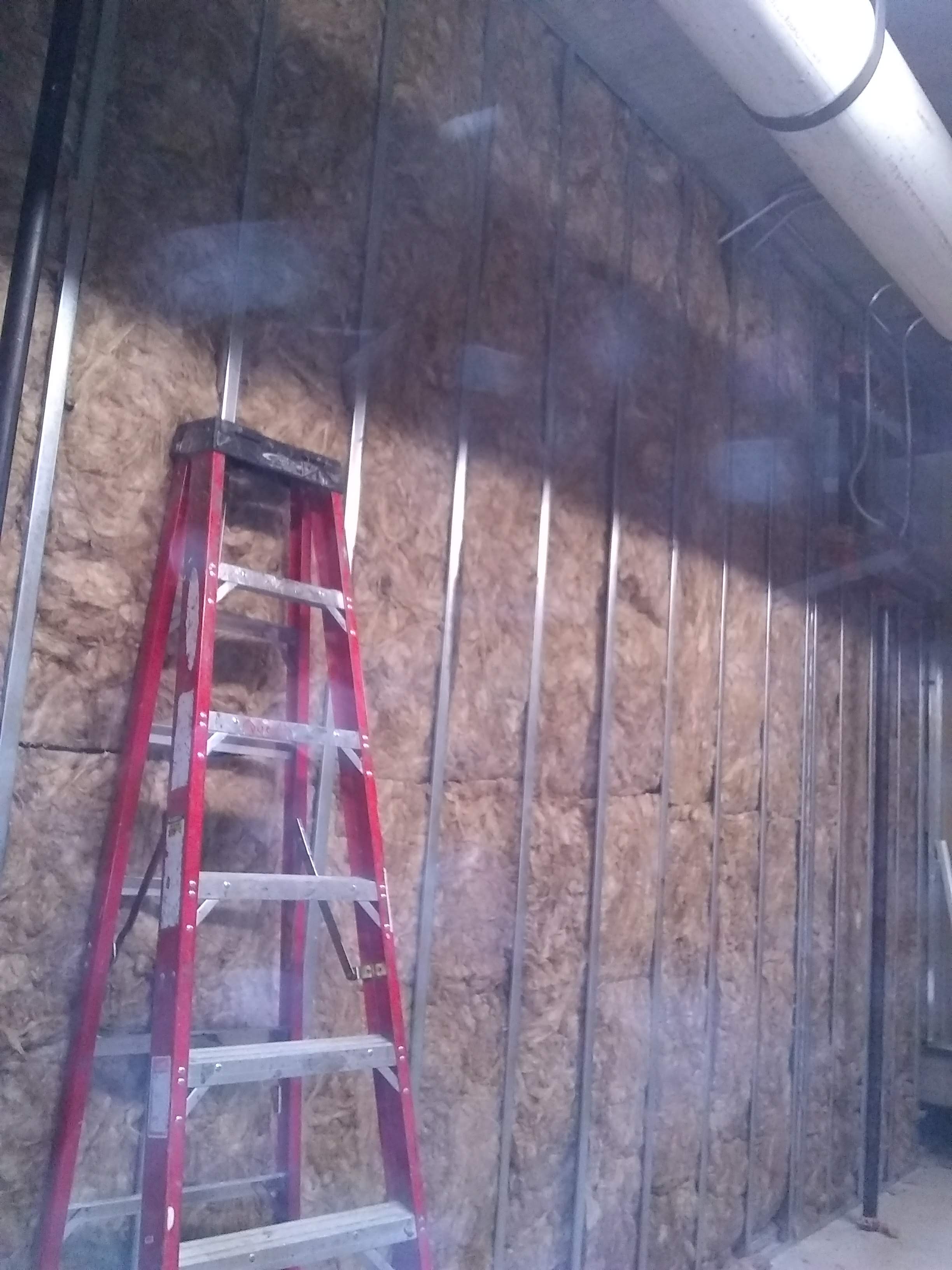
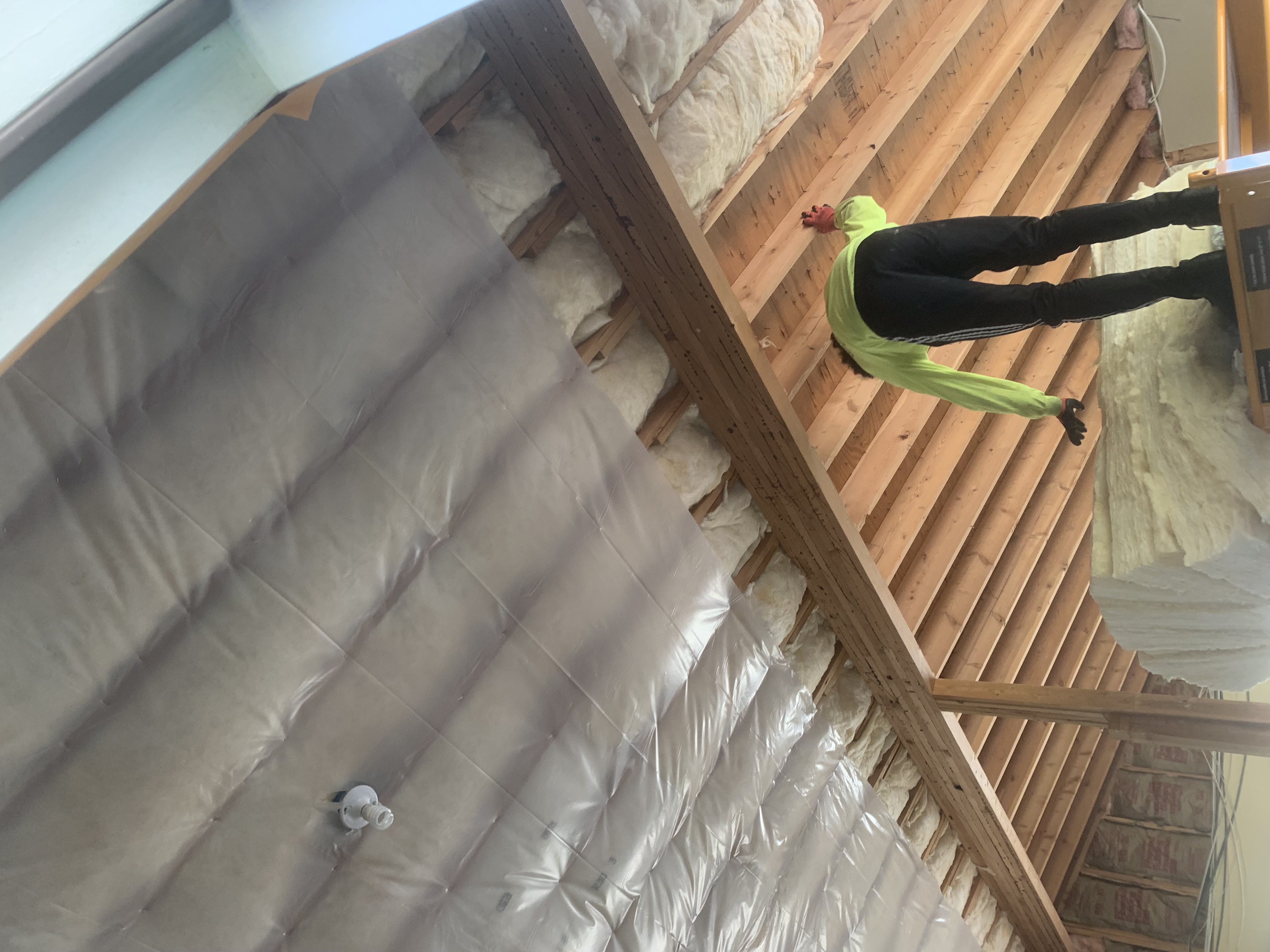
Sound wall insulation needs clean cavity coverage.
The material needs to fill the right cavity without sloppy gaps, compression, or random placement. Clean install matters because the wall gets covered after the work is done.
Where it helps most
Sound wall insulation works best when the problem area is clear.
Bedrooms and nurseries
Helpful when privacy matters and noise from nearby rooms keeps carrying through the wall.
Home offices
Useful when calls, work, or concentration are being interrupted by noise from the rest of the house.
Basements and media rooms
A strong fit when sound travels between a finished basement, entertainment space, or room above.
Garage-adjacent rooms
Helpful when garage noise carries into bedrooms, offices, bonus rooms, or nearby living areas.
What it improves
The goal is a quieter space, better privacy, and less noise transfer.
Less room-to-room noise
Sound wall insulation can reduce voices, TV noise, and general sound transfer through open wall cavities.
Better privacy
Bedrooms, offices, bathrooms, and shared walls can feel more private when the cavity is insulated correctly.
Smarter remodel timing
If walls are already open, sound wall insulation is much easier to install before drywall goes back up.
Common mistakes
The biggest mistake is selling sound wall insulation like magic.
Calling it perfect soundproofing
Most residential insulation reduces sound transfer. It does not make a normal wall completely soundproof by itself.
Ignoring gaps and openings
Sound can move through doors, outlets, ceiling gaps, floors, and framing connections. The wall cavity is only part of the system.
Using the wrong material
The best option depends on access, wall depth, the type of noise, and whether the cavity is open or closed.
Cost and scope
Sound wall insulation cost depends on access, room size, and how much noise you are trying to reduce.
The useful answer is not a random number. The useful answer is a clear look at the wall or ceiling, whether it is open, what noise is bothering you, and what level of sound reduction is realistic.
Wall or ceiling access
Open cavities are easier and cleaner. Closed walls may require a different approach or may not be worth opening.
Room size
A single bedroom wall is different from a basement ceiling, media room, or full remodel.
Noise type
Voices, TV noise, footsteps, garage noise, and mechanical noise do not all behave the same way.
Material choice
Batt insulation, dense wall insulation, or another method may make sense depending on the cavity.
Weak points
Doors, outlets, gaps, and ceiling/floor connections can affect the final result.
Real proof
Palencia customers mention clean work, clear communication, and better comfort.
Reviews mention wall insulation, batt insulation, garage insulation, basement work, clean job sites, fair pricing, and strong communication. That matters because sound wall insulation gets hidden behind drywall after the project.
“They explained the work clearly, showed what was done, and left everything clean.”
That is the standard for sound wall insulation: clear expectations, clean install, and no fake promises.
Related Aurora services
Sound wall insulation often connects with wall, batt, and basement work.
Wall Insulation
Best when comfort, sound control, and wall cavity performance are part of the same project.
Learn more
Batt Insulation
A common sound-control option when walls or ceilings are open and accessible.
Learn more
Basement Insulation
Helpful when sound or comfort issues come from a finished basement or lower level.
Learn more
Aurora service hub
Compare all insulation services available in Aurora.
FAQs
Soundproofing questions from Aurora homeowners
Does insulation make a room soundproof?
+
Insulation can reduce sound transfer, but it usually does not make a normal residential wall completely soundproof by itself. It works best as part of a proper wall or ceiling assembly.
What insulation is best for sound walls?
+
Batt insulation is often used for sound control when wall or ceiling cavities are open. The best option depends on the cavity depth, access, noise type, and whether the wall is open or closed.
When is the best time to install sound wall insulation?
+
The best time is during a remodel, addition, basement finish, or any project where walls or ceilings are already open. That makes the installation cleaner and more cost-effective.
Can sound wall insulation help a home office?
+
Yes. It can help reduce voices, TV noise, and general household sound moving through walls, which can make a home office feel more private and easier to work in.
How much does sound wall insulation cost in Aurora?
+
Cost depends on access, wall or ceiling size, cavity depth, material choice, and whether drywall is already open. A quick inspection gives the clearest quote.
Need sound wall insulation in Aurora?
Get a free estimate from Palencia Insulation and find out what your wall or ceiling actually needs.