
Batt Insulation Denver, CO
Batt insulation is one of the cleanest upgrades you can do when the wall or floor cavity is open. The material is proven, but results come down to the install. We focus on tight fit, full coverage, and clean details so it performs the way it should.
Best for remodels and open walls
Comfort plus sound control
Tight fit with no compression
Free estimates. Residential and commercial.
Batt insulation explained
A simple way to make rooms feel steadier
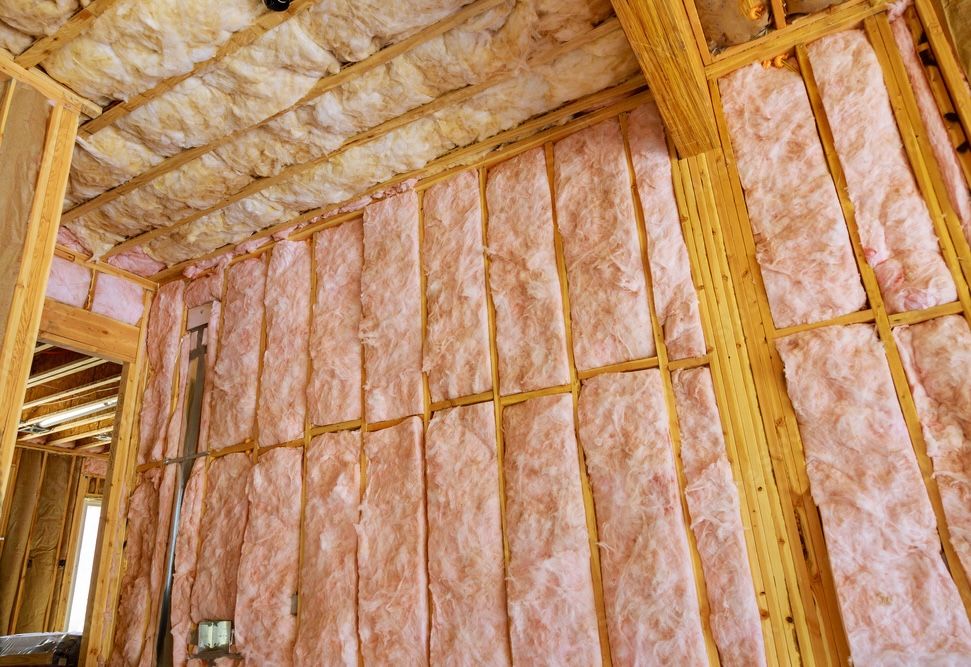
Batt insulation is a pre-cut panel, usually fiberglass, designed to fit between framing. When the cavity is open, it is one of the cleanest ways to add insulation because you can see the space, fit the material properly, and confirm coverage before the wall gets closed.
The reason batt jobs get a bad reputation is not the fiberglass. It is the shortcuts. A batt can look fine at a glance and still perform poorly if it is gapped at the edges, stuffed and compressed, or cut lazily around wires and pipes. In Denver, those weak spots show up fast as cold strips, drafty corners, and rooms that never quite match the thermostat.
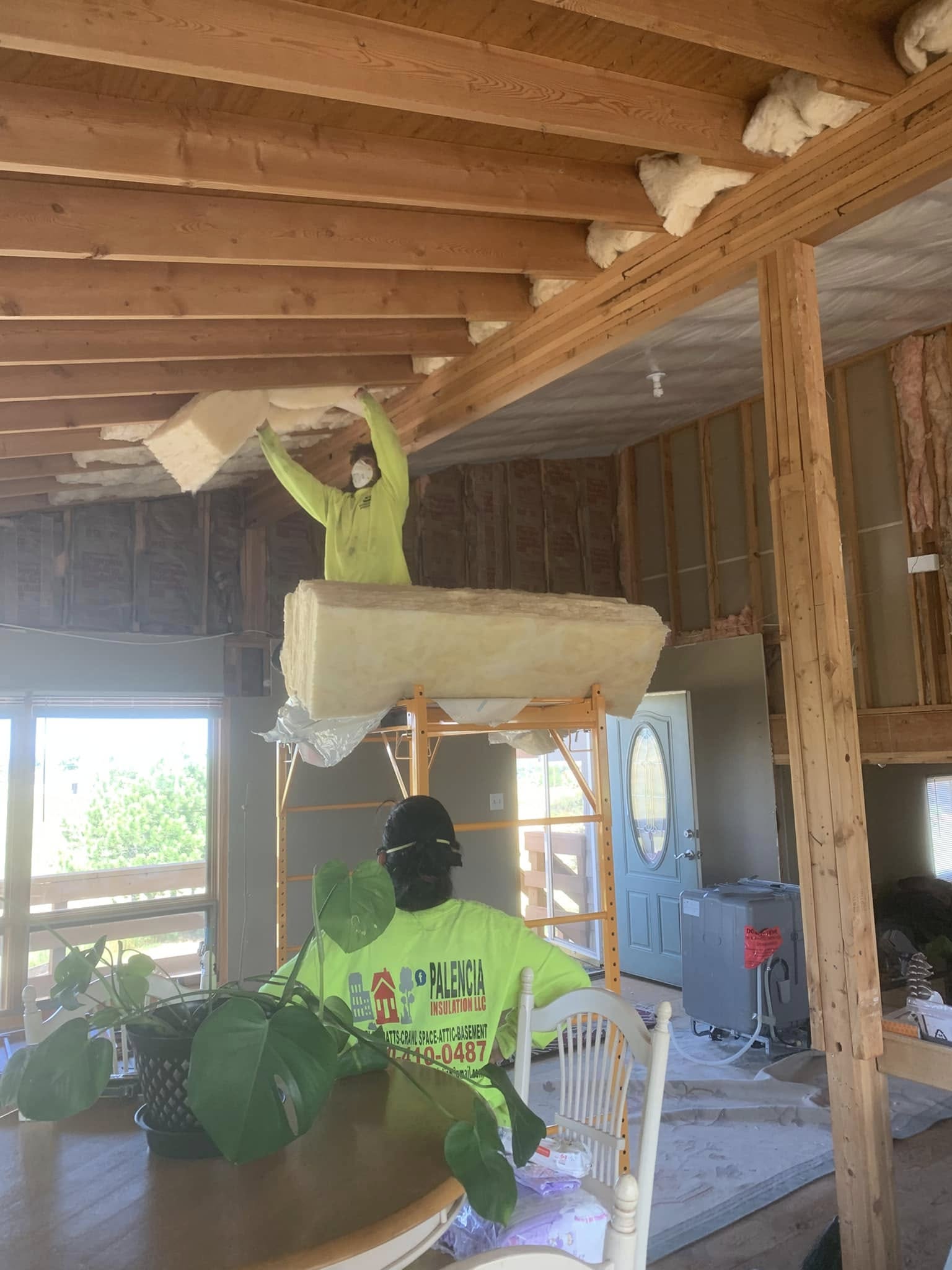
A good batt install is a fit job. The batt should fill the cavity, sit flush, and maintain full thickness. That is where the R-value comes from. Compression reduces performance, and gaps create escape routes where heat and air move through the wall assembly.
Batt insulation makes the most sense in remodels, additions, basements, garages, and floor cavities between levels. If the walls are already closed and the cavity is not accessible, batts usually are not practical, and blown-in insulation is typically the better tool.
If you are comparing options, these pages help: Wall Insulation and Attic Insulation.
When batt insulation is the right choice
If you are remodeling and the studs are open, batt insulation is usually the fastest, cleanest way to get strong coverage. The same goes for unfinished basements, bonus rooms, or garage walls that share a surface with living space. It is also a strong choice for sound control between rooms and between floors, especially in basements and bedrooms.
If your main goal is comfort, batt insulation helps most when you pair it with good air control. If the space has obvious drafts or rim joist leakage, we will tell you what is worth sealing before insulation goes in, because insulation slows heat transfer, but air leaks move comfort fast.
.JPG?updatedAt=1766828133460)
If you need insulation without opening walls, blown-in is often the better fit. See Wall Insulation.
Install quality
What makes batts work (and what ruins them)
Batt insulation is simple. That is why install quality matters more than brand names or marketing.
The biggest performance killers are gaps, compression, and sloppy cuts around obstacles. A small gap at the edge of a cavity becomes a cold strip. A compressed batt loses thickness and R-value. A rushed cut around wiring leaves pockets where air and temperature move through.
Our approach is straightforward. We measure the cavity depth, choose a realistic R-value for that space, then cut for a tight fit and full contact. Corners and edges get attention because that is where heat loss usually sneaks through. We also watch for moisture red flags. Insulation is not a fix for active water problems, and we will tell you if something needs to be addressed first.
If your project includes basements or rim joists, it may also help to compare with Air Sealing, since draft control and insulation work best together.
Benefits
Benefits of batt insulation
A strong balance of cost, comfort, and sound control when installed correctly.
More consistent comfort
Batts reduce heat transfer through walls, floors, and ceilings. When the fit is clean, rooms hold temperature better and feel less drafty.
Less noise between rooms
Insulating cavities can noticeably reduce sound. This is common in basements, bedrooms, and between floors.
Stable, proven material
Fiberglass batts are widely used because they are reliable and predictable. Performance depends on coverage and fit, not marketing.
Great when walls are open
Batts are ideal for remodels, additions, basements, and any project where the cavity is accessible and can be insulated correctly.
If you are mainly trying to fix attic comfort issues, blown-in insulation usually covers irregular attic spaces better. See Attic Insulation.
FAQ
Common questions
Clear answers, no guessing.
Want a clean, tight-fit install?
Get a free batt insulation estimate from a local Denver team.
Serving Denver and surrounding areas.