
Blow-In Insulation Denver, CO
If your upstairs never feels right, the HVAC runs too long, or the attic insulation looks thin and uneven, blow-in insulation is usually the fastest way to improve coverage. The material matters, but coverage matters more. We install to a clear target depth, keep ventilation paths clean, and explain what is worth fixing so the result actually lasts.
Free estimates. Residential and light commercial.
Blow-in insulation, explained
The goal is simple: even coverage, correct depth
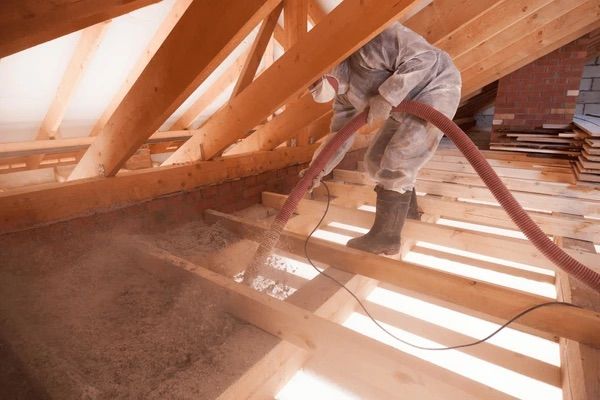
Blow-in insulation is loose-fill material that gets installed with a machine and hose. Unlike batts, you are not cutting pieces to fit around every wire, corner, and framing detail. The insulation flows into the spaces where coverage usually breaks down, which is why it is such a strong option for attics and for many older homes.
Most homes in Denver already have insulation, but the problem is that it is often thin, uneven, or full of weak spots. A few inches missing around the edges, thin areas near attic access, and gaps around penetrations can make the whole home feel unstable. You feel it as hot upstairs rooms in summer, cold spots in winter, and HVAC run times that never seem to end.
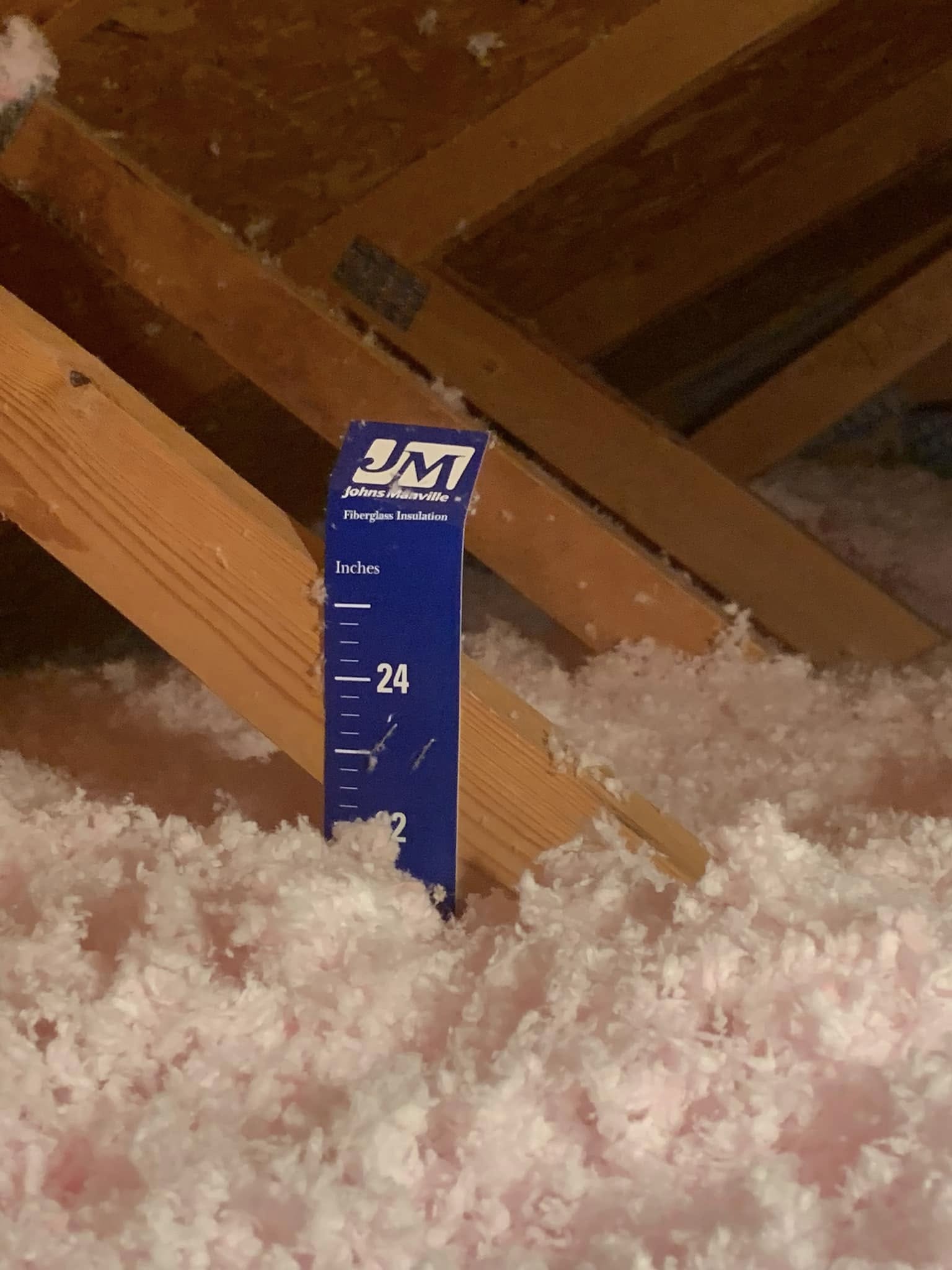
A good blow-in job is not "spray some material up there." It is a coverage job. We install to a target depth, keep it consistent, and avoid thin spots. If the attic needs ventilation paths to stay clear, we protect those areas. If air leaks are the real issue, we call that out, because insulation slows heat transfer but air leaks move comfort fast.
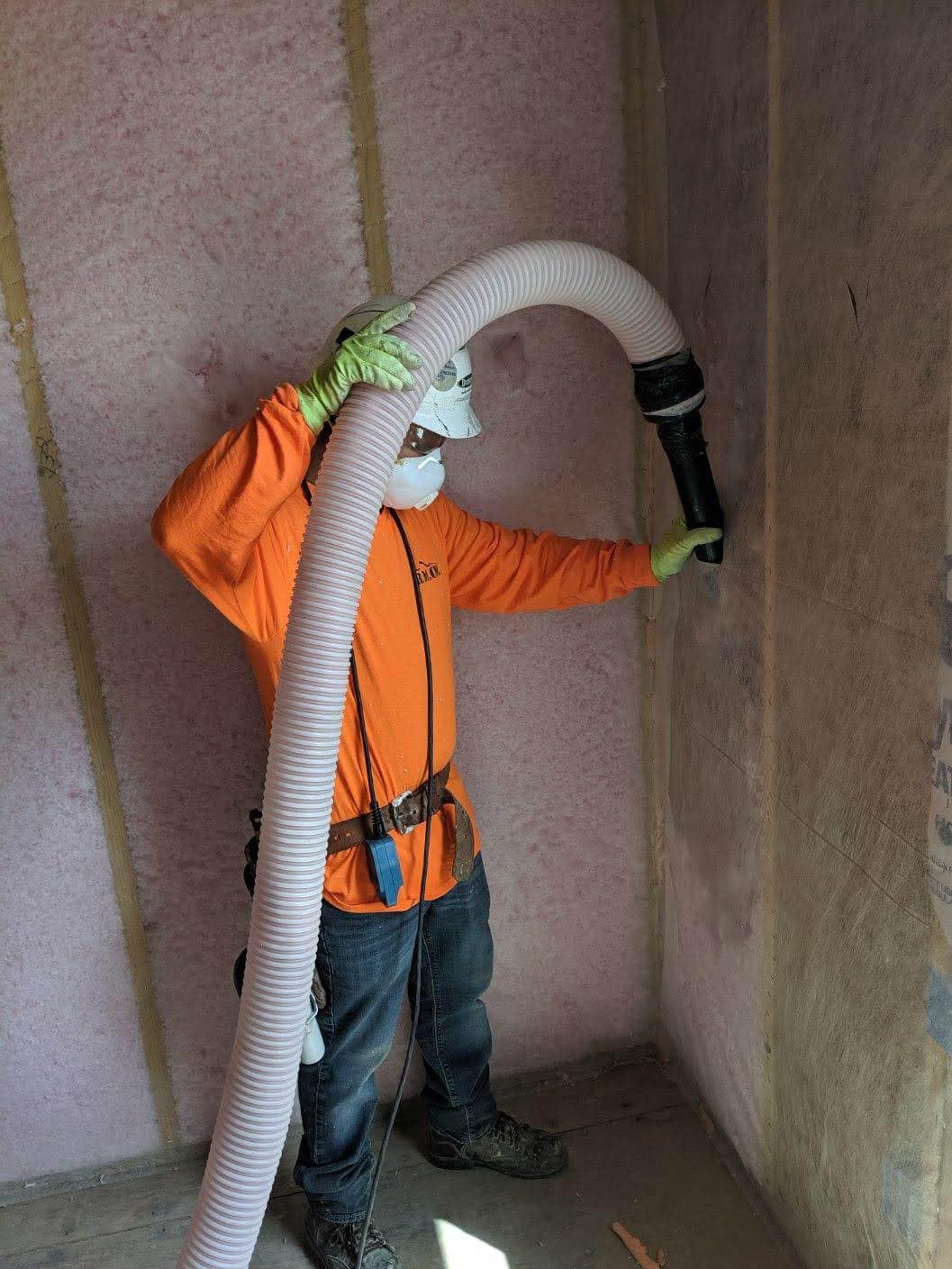
Blow-in can also work in many existing wall cavities through small access holes that are patched afterward. This is a different job than attic blow-in, but it is still about the same outcome: filling the cavity evenly without tearing the home apart.
If you want to compare methods, these pages help: Batt Insulation and Attic Insulation.
Attic blow-in vs wall blow-in
Attic blow-in is about creating an even blanket of insulation across the attic floor. This is where you get the biggest comfort swing for many Denver homes, because the attic is the most common place where heat escapes and where temperature differences show up first.
Wall blow-in is about filling an enclosed cavity. It can help with rooms that feel like they never match the thermostat, especially in older homes with little or inconsistent wall insulation. The key is doing it methodically, so the cavity fills evenly and the patch points are clean.
If your main complaint is drafts, it is worth reading Air Sealing because drafts usually come from leak points, not from "lack of insulation" alone.
Not sure what service fits your situation? Start with All Services or call and we will point you in the right direction.
Material options
Fiberglass vs cellulose
Both can work. The right pick depends on the attic, the goal, and the moisture risk.
Blown-in fiberglass is a common choice because it covers well, stays stable, and works great for adding over existing insulation when the attic is dry and accessible. It is also a clean solution for getting to a target depth without turning the attic into a complicated project.
Blown-in cellulose can be a strong option too, especially when the goal is dense coverage and the attic layout allows for it. Like any insulation, it needs correct installation and consistent depth. The material is only part of the outcome.
We recommend based on what we actually see. If the attic has signs of moisture, ventilation issues, or air leakage that will fight the insulation, we will tell you what to address first so you are not paying for a band-aid.
Cost
What changes the cost in Denver
Blow-in pricing is mostly about access, existing conditions, and how much material is needed to hit the right depth.
Two attics can be the same square footage and have completely different scopes. If the attic is walkable and the insulation is dry and usable, adding blow-in can be very straightforward. If access is tight, the existing insulation is damaged, or air leaks are severe, the scope grows because the right job includes prep, not shortcuts.
For wall blow-in, the scope depends on how the walls are built, how many cavities are involved, and how the access and patching will be handled. The goal is to fill evenly and leave the home looking normal afterward.
The clean way to price it is simple: a quick check, a clear recommendation, and a scope you can actually understand. If something needs to be addressed first, like moisture or obvious air leaks, we tell you that up front.
Benefits
Benefits of blow-in insulation
Practical improvements you can feel in the rooms you live in.
Fills gaps batts miss
Loose-fill insulation flows around wiring, framing, and odd corners. That usually means fewer thin spots and fewer weak areas.
More even comfort
If the upstairs is always hotter in summer or colder in winter, the attic is often the reason. Better coverage helps reduce hot and cold rooms.
Strong upgrade for existing homes
Blow-in is one of the cleanest ways to improve an older home because it can be added to attics and many closed cavities without opening everything up.
Better winter protection
Heat loss into the attic can contribute to moisture issues and ice dam conditions. Proper insulation, plus smart ventilation where needed, lowers that risk.
If comfort is the main goal, blow-in insulation works best when coverage is even and the attic is not leaking air. If you suspect drafts, pairing insulation with Air Sealing is often the move.
Process
Simple process, clean job site
Clear steps, clear expectations, and no mess left behind.
The best insulation jobs are the ones where you know exactly what is being done and why. We keep the process simple and we keep the scope honest. If something else is the real cause, like air leaks or moisture, we call it out before you spend money on the wrong fix.
1) Quick attic or wall check
We look at what is there today: coverage, depth, access, and any obvious ventilation or moisture concerns. You get clear photos and a straightforward explanation.
2) Clear plan
We recommend what makes sense for your home and your goal. If blow-in is the move, we tell you the target depth and what should be addressed first.
3) Clean installation
We protect your home, work efficiently, and keep the space tidy. The goal is consistent coverage and the right depth, not a rushed dump and go.
4) Final walkthrough
Before we leave, we confirm coverage and answer questions. You know what was done and what to expect after.
Service Areas
Blow-in insulation across Denver
We serve Denver and surrounding communities with professional blow-in insulation installation.
Coverage area
Denver and surrounding metro communities
Do not see your city? Call (720) 410-0487 and we will confirm service availability.
FAQ
Common questions
Clear answers, no guessing.
Want a clear recommendation?
Get a free blow-in insulation estimate from a local Denver team.
Serving Denver and surrounding areas.